

























































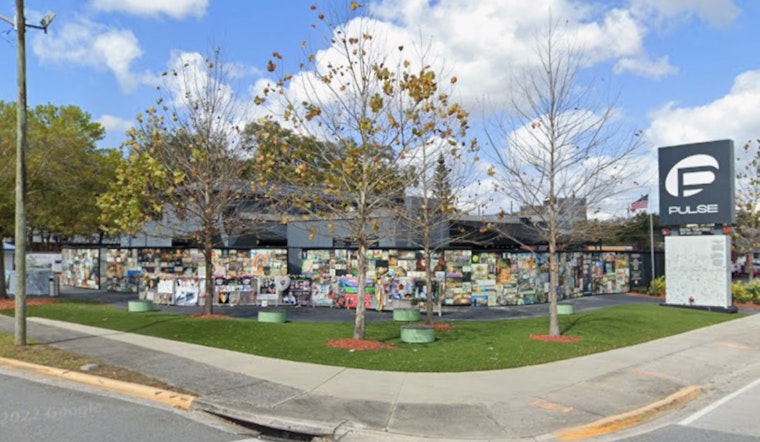
As the City of Orlando advances with plans for a permanent memorial at the site of the devastating 2016 Pulse nightclub shooting, crews began to carefully remove and preserve items from the former club yesterday. Notable pieces such as the venue's chandeliers, bar top, and portions of the club's distinctive walls were among the artifacts earmarked for potential inclusion in the upcoming memorial, reported FOX 35 Orlando.
In an ongoing effort to thoughtfully and respectfully bring to life a space that acknowledges the tragedy that claimed 49 lives, the city is moving forward with a design plan that deeply considers preservation. From an ornamental mirror to the iPad used in the nightclub's operations, these artifacts are now set aside, bound for an environmentally controlled warehouse. "These items will then be transported to an environmentally controlled warehouse. While we have not finalized if these artifacts will be a part of the permanent memorial, we want to ensure their preservation during the design and construction phase," the city said, as reported by WESH.
The permanent memorial, spurred by the City of Orlando's acquisition of the property in 2023 for $2 million, has a construction timeline aiming for completion in late 2027. This follows a previous, unsuccessful venture by OnePulse Foundation, a private entity that encountered financial and organizational complications. The approved concept design for the site features a spectrum of commemorative spaces, including a reflection pond, an Angel Ellipse with rainbow-colored glass panels, and a survivor's tree. The names of the 49 individuals lost in the shooting are to be honored, ensuring their memories are kept intact within the embrace of this dedicated memorial.
Survivors and families of the victims were given an opportunity earlier this year to visit the site, a profound and, no doubt, painfully emotional experience. "The whole process of grief goes on and on,” Nancy Rosado, a retired NYPD sergeant and social worker who provided services for survivors and victims’ families, expressed in an interview obtained by WESH. As each artifact is carefully handled and retrieved, the community remains expectantly awaiting the completion of a space designed for remembrance and healing, reflective of the profound impacts the tragedy had not only on the LGBTQ community but on diverse communities bound by shared loss and resilience.





