

























































High above the Russian River, a pair of queer-led land projects is treating wildfire risk as both a survival strategy and a reason to gather. The Shelterwood Collective in Cazadero now stewards 900 acres of redwood forest, while Solar Punk Farms in Guerneville tends a 10-acre working farm that blends vegetables with natural-wine nights and climate-themed drag. Together, they are trying to braid forest restoration, prescribed fire, and policy work into a safety net for queer, Indigenous, and BIPOC communities along the river.
Shelterwood's 900-acre experiment in land care
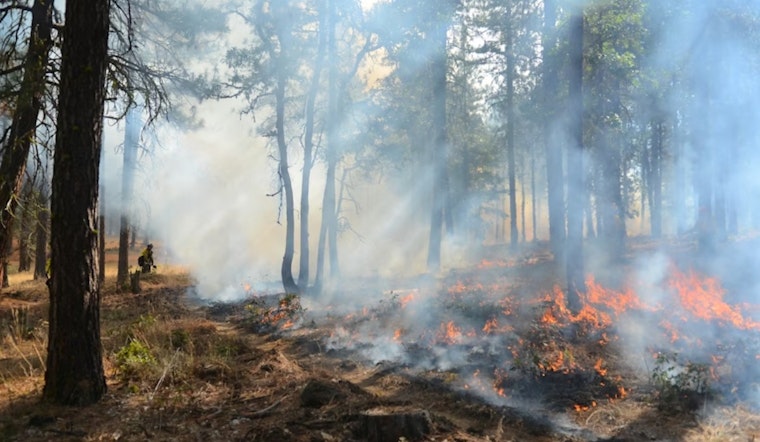
Shelterwood Collective states that it purchased and began stewarding a 900-acre former camp near Cazadero in 2021, quickly shifting its focus to stream restoration, forest thinning, and controlled burns to reduce wildfire danger. Shelterwood Collective notes that this effort has multi-year support from CalFIRE and includes workforce development, forestry residencies, and hands-on volunteer workshops. Organizers describe the restoration as cultural work that explicitly centers Kashia knowledge and queer-led stewardship as part of ecological repair.
Gatherings, prescribed burns, and queer care
The land functions as both a classroom and a social hub. Weekend campouts, a Halloween bash called "900 Acres and a Ghoul" and climate-themed drag shows share the calendar with burn demonstrations and thinning work days. "We're not trying to micromanage a forest, we're caring for our elders," co-founder Nikola Alexandre said in an interview with KQED. Visitors have described the gatherings as restorative, and organizers say those shared moments are how they teach residents and neighbors fire-safe practices.
Solar Punk Farms plants community roots in Guerneville
Roughly 20 miles downriver in Guerneville, Nick Schwanz and Spencer Scott have turned a 10-acre former horse ranch into Solar Punk Farms. This permaculture-focused community hub supplies produce to local restaurants and hosts environmental salons and natural-wine events. The couple left San Francisco in 2020 and has used the farm as a base for outreach and education, according to Sonoma Magazine. Their greenhouse and busy social calendar are designed to make sustainability feel less like homework and more like something people genuinely want to participate in.
From parties to policy
Schwanz and Scott have also taken their ideas into local institutions. Schwanz serves as president of the Russian River Chamber of Commerce, and Scott sits on Sonoma County's Lower Russian River Municipal Advisory Council. Organizers say they use those seats to nudge planning conversations toward regeneration and resilience. The Bay Area Reporter has covered the couple's civic roles and the chamber's recent efforts to support local businesses during street-improvement projects. That local influence, leaders say, is key to turning small-scale experiments into broader community action.
A river with a long, queer history
The Russian River valley has served as a queer refuge for generations. Travelers, resort owners, and partygoers from San Francisco were finding their way here as early as the 1920s, with a major boom in queer tourism and community life through the 1970s and 1980s. Local historians and longtime residents told The Press Democrat that this legacy of escape, celebration, and chosen family continues to shape how organizers think about land, safety, and belonging today.
Partnerships, funding, and the road ahead
Project leaders say the next challenge is making the work financially sustainable. Shelterwood's organizers are weighing income from retreats and events against unpredictable grant cycles, while Solar Punk leans into civic partnerships and public programming. As reported by KQED, Shelterwood has secured multi-year CalFIRE support, and the two projects aim to share restoration practices and co-host regional river health programming next year. If the funding and political winds cooperate, organizers say these efforts could offer a replicable way to link queer community-building with climate resilience.
Taken together, Shelterwood and Solar Punk represent a local experiment in land repair and social care. The question is not only who gets to enjoy the river, but who is trusted to care for it. Whether their model grows will depend on money, weather, and policy, but organizers say the valley's deep queer history gives this movement unusually strong roots.




