

























































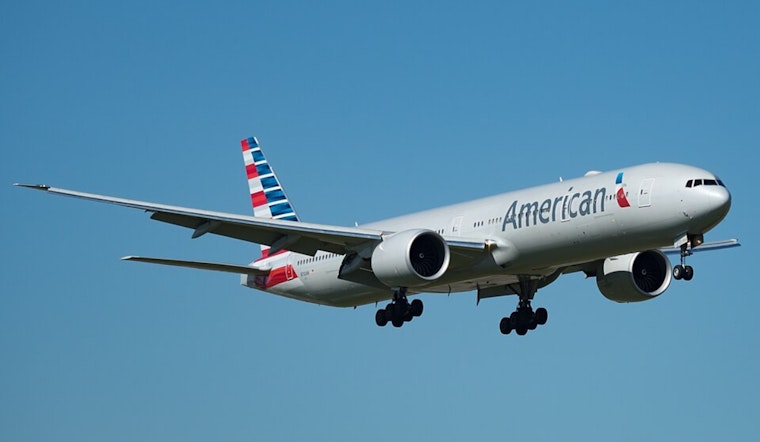
Eighteen former students of American Airlines' Cadet Academy are taking their grievances to federal court, filing a lawsuit Monday that seeks $36 million and accuses the program of breaking key promises while allowing a racially hostile environment to fester. The complaint names American Airlines, Coast Flight Training and the American Airlines Federal Credit Union as defendants and says trainees were left with heavy debt loads and delayed certification.
The suit was rolled out in a press announcement from lawyers at Sanford Heisler Sharp McKnight, which outlines both the allegations and the $36 million damages figure. According to that release, cadets were told the academy would deliver all required ratings within 12 months at a fixed cost and would provide consistent flying days, an American pilot mentor and interviews with American's regional carriers. The complaint says many of those assurances never materialized.
One plaintiff, San Diego resident and U.S. Army veteran Triston Sanderson, enrolled at Coast Flight Training's San Diego campus in 2022 and alleges he was pushed out of the program in late 2023 after being given corrective actions that white classmates did not receive, according to The San Diego Union‑Tribune. The complaint further claims that plaintiffs quit steady jobs, moved for training and took out loans ranging from roughly $52,000 to $120,000, leaving many with severe economic losses and emotional distress.
What The Cadet Academy Promised
American Airlines launched the Cadet Academy in 2018 and promotes it as a "one-stop" path from zero experience to a conditional interview with its regional carriers, complete with partner flight schools, mentorship and financing options, according to American Airlines. The airline's materials lay out target timelines and partner pricing that generally put the cost of instruction near $100,000, depending on the school and location.
Plaintiffs: Training Shortages, Turnover And Bias
The lawsuit, as summarized by Sanford Heisler Sharp McKnight, alleges that cadets at Coast Flight Training sites flew far less frequently than advertised, that instructor turnover and a limited number of working aircraft slowed progress, and that promised American pilot mentors rarely appeared. The filing also accuses some Coast and American personnel of using racially derogatory language and disciplining students of color more harshly than their white peers, behavior the plaintiffs say created a hostile training environment. Coast Flight Training's own website, by contrast, highlights a modern fleet and multiple campuses.
Claims, Remedies And The Docket
The complaint brings a lineup of claims that includes race-based civil rights causes of action under Section 1981 and Title VI, state consumer protection allegations, negligent misrepresentation, racketeering claims under RICO and alleged violations of the Equal Credit Opportunity Act. "The Cadets seek $36 million in damages for the alleged unlawful conduct," the filing states. It lists the case in the U.S. District Court for the Southern District of California as No. 25‑cv‑1833.
American Airlines' Response
American Airlines has pushed back on the charges, telling reporters it considers the allegations meritless and arguing that the Cadet Academy broadens the pipeline of qualified cadets, according to The San Diego Union‑Tribune. Coast Flight Training did not immediately respond to requests for comment, the outlet reported.
Why The Case Matters
Attorneys for the cadets also accuse American and its partners of a form of "reverse redlining," alleging that recruiters focused on non-white applicants while providing incomplete training, according to the law firm's press release announcing the suit. The same release notes that in addition to damages, the plaintiffs are seeking injunctive relief.
The complaint has only just landed on the federal docket, and the pace of the case will hinge on whether the defendants answer, move to dismiss or pursue settlement. For aspiring pilots and community advocates watching from the ground, the lawsuit highlights a broader tension between efforts to diversify the cockpit and the protections students need when life-altering promises come bundled with six-figure debt.





_at_Miami_International_Airport.jpg)