

























































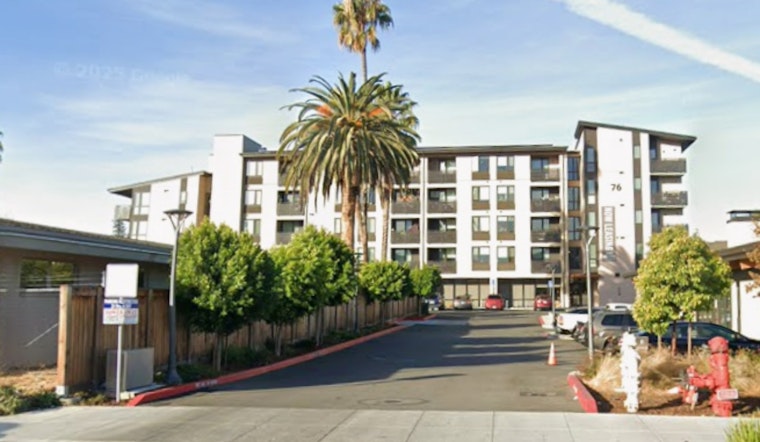
What started as one of Santa Clara’s buzziest “farm-first” housing experiments is now mired in complaints. Residents at the city’s Agrihood complex say a project once pitched as a model of healthy, community-focused living has slipped into neglect, with seniors and formerly homeless tenants dealing with pests, balky elevators and lingering air-quality fears after a building fire. At the same time, the developer has floated a plan to swap the final batch of approved rentals for for-sale townhomes, a move residents and advocates say walks back early promises of affordability and shared public space. The dispute is drawing attention from neighbors, city officials and public funders who are watching to see whether the project can still deliver on both safety and community commitments.
What tenants are reporting
As reported by The Silicon Valley Voice, tenants at the Agrihood at 76 N. Winchester Blvd. describe day-to-day conditions that fall far short of the glossy vision they were sold. Residents say trash piles up, common walls are stained with urine and security cameras do not work. The property is managed by the John Stewart Company, according to the official listing at John Stewart Company. Core leadership has told neighbors it could not make the originally approved below-market-rate plan pencil out financially and has proposed replacing about 160 previously approved rental units with 44 for-sale townhomes.
Health concerns and a reported e-bike fire
Residents told reporters they began experiencing respiratory symptoms after a blaze on the third floor. A fire incident report, cited by San José Spotlight, listed the cause as an exploding e-bike battery. Tenants brought in an outside nonprofit to conduct air assessments and told reporters that filters were removed before some inspections. Several residents described hospital visits and ongoing breathing problems. City staff say code enforcement has opened multiple compliance reviews in response to the complaints.
Daily living problems residents describe
People who spoke with The Silicon Valley Voice also described a grab bag of problems that make daily life feel precarious. Tenants report taped eviction notices left on doors, faulty lighting and striping in garages that they say create fall hazards, regular porch piracy and a pest situation that attracts gnats, rats and cockroaches. Residents say elevators are unreliable and that some common spaces touted in the original approvals, such as a community kitchen and weekly placemaking events, have not appeared at the level they were led to expect. Several long-time advocates and a neighborhood critic say the rollout has left vulnerable tenants anxious and angry.
Developer proposes a different housing mix
In November, Core presented a revised plan to the city to build the remaining vacant parcel inside the Agrihood as 44 for-sale townhomes instead of the roughly 160 rental units approved in 2019, according to the City of Santa Clara project posting. That change would require new zoning and entitlement approvals from both the planning commission and the city council before any construction moves forward. The city’s project page posts meeting materials, development plans and project contacts for residents looking to track what happens next.
Core's explanation
The Core Companies says the financial landscape has shifted since the original approvals and that rising interest rates, construction costs and operating expenses make the earlier rental-heavy plan infeasible, according to statements on the project website. Core’s site stresses that the farm and open space would remain in place even if the housing type changes, and presents the townhomes as a path to homeownership that could keep the broader project from stalling. Residents and some local leaders counter that swapping a large block of rental units for a smaller for-sale component would undercut promised community benefits and affordable housing opportunities.
Funding and oversight questions
The Agrihood relied on significant public financing, including Measure A and city funds, along with a large allocation of tax-exempt bonds. That mix makes any redesign politically and financially sensitive, according to reporting by San José Spotlight. The outlet reports roughly $23.5 million from Measure A, $15.7 million from the city and about $50 million in tax-exempt bond support went into the project. Advocates say those funding commitments raise questions about how affordability promises and community benefits will be enforced if the developer pursues major changes.
What comes next
The proposed amendment is listed on the City of Santa Clara’s planning page as an active project and is slated for planning-commission review and eventual city council consideration, according to the official posting. Community meetings and published materials give tenants, neighbors and advocates formal chances to weigh in before any entitlements are altered. Residents say they plan to follow the hearings closely and press the city to ensure repairs and promised community benefits are delivered as the review process unfolds.


