

























































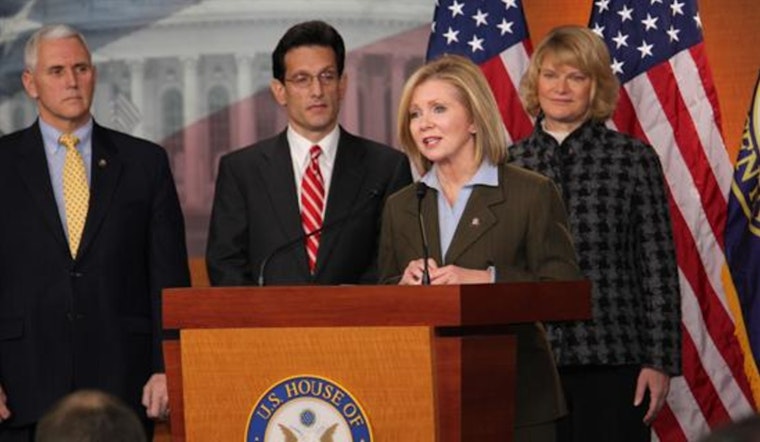
In a recent op-ed for TIME, Senator Marsha Blackburn (R-Tenn.) called for heightened protections for children online, spotlighting the Senate's version of the Kids Online Safety Act (KOSA) in response to accusations made against tech giant Meta, Blackburn's piece arrives as a pointed commentary on the company's alleged missteps regarding the safety and well-being of young users on its platforms.
Meta, which owns social media behemoths Facebook and Instagram, has been under scrutiny after reports surfaced, first reported by TIME, suggesting repeated instances where the company failed to promptly address sex trafficking on its digital property; the lawsuit further claims that Meta's policies delayed removal of offenders involved in such activities unless reported upwards of 17 times, Meta denies these allegations but the piled-up evidence paints a grim picture where profit is prioritized over protection, and this isn't the first time the company finds itself defending its safety protocols—or lack thereof.
Senator Blackburn, who chairs the Senate Judiciary Subcommittee on Privacy, Technology, and the Law, has been a staunch supporter of KOSA, which proposes enforceable safety standards for online platforms to shield minors from harm, ranging from sexual abuse to drug solicitation, the legislation, previously passing the Senate with a substantial majority, is being reintroduced to reinforce the duty of care that tech companies should maintain towards younger users.
"I’m sorry for everything you’ve all gone through," said Meta CEO Mark Zuckerberg at a Senate Judiciary Committee hearing, addressing parents who had suffered losses linked to social media harm, but as Senator Blackburn notes in her op-ed, apologies without substantive change offer little comfort to families impacted by the digital exposure of their children to various forms of trauma and predatory behavior, it is through these repeated apologies without action, as Blackburn implies, that the push for legislative regulation gains its momentum and justification.
A call for KOSA's reinforcement by Blackburn, as articulated in her TIME article, echoes the critical bipartisan sentiment that online child safety can no longer be left in the hands of the platforms themselves, with documented cycles of neglect. The legislation aims to enforce a safer digital environment analogous to the safeguards children are entitled to in the physical realm. Bearing the overwhelming support it previously gathered, KOSA’s reintroduction represents a legislative step towards demanding accountability and dutiful care from companies like Meta, ensuring their technological advancements do not compromise the sanctity of childhood innocence and security.





