

























































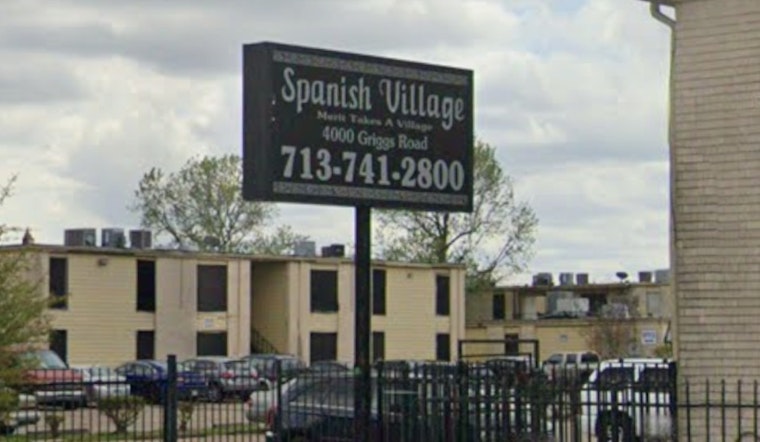
Residents at Houston's Spanish Village Apartments are dealing with recurring sewage backflows that have made daily life hazardous, soaking floors, furniture, and personal belongings. Shirley Spencer reported the latest incident began on November 21, leaving her unable to rest while trying to manage the mess and prevent further harm.
A KHOU visit on Tuesday found the leasing office unresponsive, and Spencer’s apartment was too unsafe to film inside. Tenants say management has not provided meaningful repairs, and the flooding has damaged personal items, including furniture tied to Spencer’s home business.
Tenant rights under Texas law
Under Texas law, renters have specific tools they may use when raw sewage or repeated flooding makes a unit unsafe to live in. State law allows limited repair-and-deduct remedies and, in serious cases, potential lease termination if the landlord does not address the problem after proper written notice. These rights are outlined in Texas Property Code Section 92.0561, which is summarized on FindLaw.
How the city responds
The city operates a Customer Service Request Maintenance Program that responds to sewer backups, blockages, and overflows. Residents can report suspected sewer problems by calling 311 or filing an online request so the issue is logged and routed to the appropriate crew. The city notes that repeat reports from the same area can help flag ongoing trouble spots that might require bigger, long-term repairs. For details on how the city handles wastewater issues, see guidance from Houston Public Works and instructions on filing a service request through the city's 311 portal.
Health risks and cleanup
Sewage backups are not just gross, they are dangerous. Contaminated water can carry bacteria, viruses and parasites, and any surfaces or materials that stay wet can quickly turn into breeding grounds for mold and other indoor-air hazards.
Public-health guidance says anyone dealing with possible sewage contamination should wear protective gear such as gloves and boots, throw away porous items that cannot be thoroughly cleaned, and dry or replace contaminated building materials as quickly as possible. For more detailed advice on cleanup, protective equipment and when to call in professionals, see the safety resources from the CDC and the EPA.
What residents say they'll do next
Tenants at Spanish Village say they are continuing to document every incident, from photos of standing water to videos of sinks backing up. They are keeping copies of written complaints to management as they weigh filing formal complaints with the city or pursuing legal options under state law. Some neighbors say they want an official health or building inspection to formally document the extent of the damage and force a clear determination on what repairs are needed to make the affected units safely habitable again.
Legal options and where to get help
If management still does not act after proper notice, tenants may have remedies under Texas law. Those can include using repair-and-deduct in limited situations or, when conditions are severe, seeking to terminate the lease. Tenant advocates often recommend keeping every piece of paper and every image: written notices, dated photos and videos, and receipts tied to damage or temporary housing can all help support a claim. For plain-language explanations of landlord-tenant rights in Texas and practical next steps, renters can consult the Texas State Law Library's landlord-tenant guides along with the official Property Code provisions referenced above.





