

























































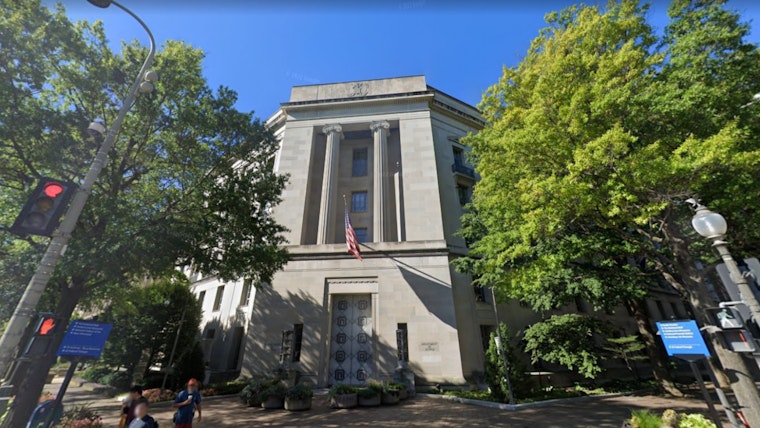
A federal jury in San Francisco has indicted a California digital health company, Done Global Inc., and a Florida medical practice, Mindful Mental Wellness P.A. (MMW), for orchestrating a scheme that illegally peddled over $100 million worth of Adderall over the internet. According to a Justice Department release, Done Global operated a subscription-based model, falsely promoting online ADHD diagnosis, treatment, and medication refills, including Adderall, without legitimate medical oversight.
Acting Assistant Attorney General Matthew R. Galeotti described the operation as rife with lies and deceit, noting that it capitalized on addiction and defrauded public funds. Assistant Administrator Cheri Oz of the DEA pointed out that Done Global prioritized profit over patient safety by distributing controlled substances like commodities. In a separate statement, Deputy Inspector General for Investigations Christian J. Schrank of HHS-OIG condemned the group’s exploitation of federal programs to funnel taxpayer dollars into unlawful stimulant distribution, a scheme that also involved Done Global's founder and CEO, Ruthia He, and former clinical president, David Brody, who are already convicted of related charges.
Federal prosecutors assert that Done Global and MMW conspired to provide customers, including Medicare and Medicaid beneficiaries, quick access to Adderall and other stimulants without a proper therapeutic purpose, sometimes without any examination or direct communication with the patient. U.S. Attorney Craig H. Missakian for the Northern District of California vowed to pursue companies that perpetrate such fraud and endanger patients. Done Global's business model was instrumental in drawing over 40 million pills into circulation, with the indictment highlighting the company's alleged attempts to circumvent pharmacies by incorporating MMW and, later, to alter records after receiving a grand jury subpoena.
The charges brought against the entities include conspiracy to distribute Adderall illegally, illegal distribution of the substance, conspiracy to commit health care fraud, and obstruction of justice. The seriousness of the charges reflects the scale of the scheme and the systematic abuse of the online healthcare system, a strategy leveraged to reap hefty profits at the expense of rigorous standards meant to protect the public. The Criminal Division's Fraud Section, operating under the Health Care Fraud Strike Force Program, has been leading ongoing efforts to confront health care fraud, having charged thousands of defendants since its inception in March 2007.
For patients who may have been receiving treatment through these entities, resources are being coordinated to facilitate continued care. Services such as the 988 Suicide and Crisis Lifeline are available for those experiencing mental health or substance use issues requiring immediate attention.



