

























































Southwest Portland is currently grappling with a sewage crisis as heavy rainfall overwhelms the system, resulting in an overflow from a maintenance hole estimated at 4,000 gallons — and counting. As crews scramble to contain the situation, it's becoming alarmingly clear that our infrastructure is struggling to keep pace with the changing climate and its resultant deluges.
According to Environmental Services, the overflows are often preventable and a result of clogs from everyday materials. In an effort to mitigate future incidents, officials are driving home the importance of proper waste disposal. They caution against flushing anything other than human waste and toilet paper — take note, ‘flushable’ wipes are deceivers; they belong in the garbage, not the sewage system.
The aftermath of such overflows isn't just a foul inconvenience; it poses real risks to public health and local ecosystems. As we navigate the mess, it's worth remembering that our individual actions contribute to collective consequences. What goes down our drains doesn't magically disappear; it can come back to haunt our streets, and in this case, with a vengeance.
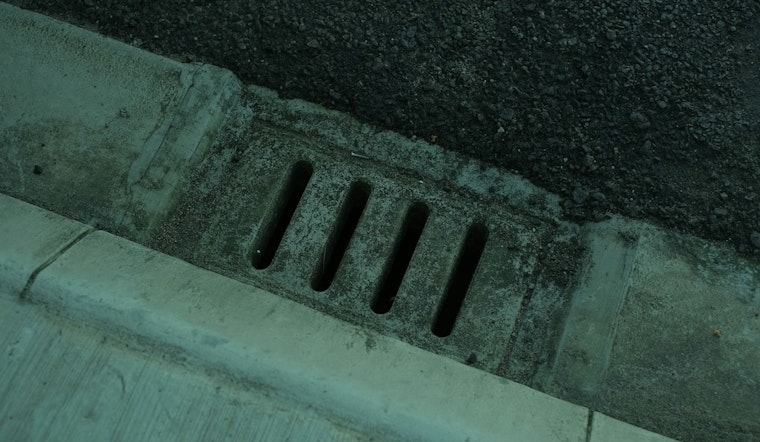
Simple actions can make a difference in preventing these messy overflows. Never pour cooking grease down the drain; let it solidify and toss it in the trash. Moreover, keep storm drains clear — they're only meant for rainwater, and clogging them just adds to the turmoil.




