

























































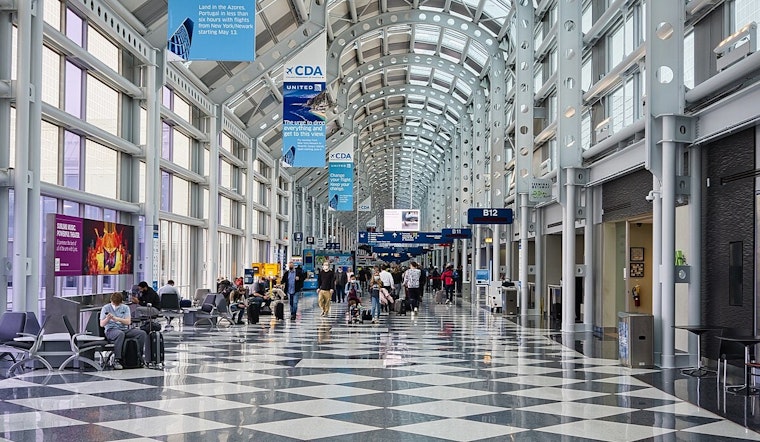
Holiday travelers at O'Hare International Airport hit turbulence before they ever left the ground on Sunday, as a midmorning storm system triggered a ground stop and cascading delays across Chicago's busiest hub.
The Federal Aviation Administration ordered the ground stop just after 10 a.m., holding flights bound for O'Hare at their departure gates. Heavy rain and reduced visibility slowed operations, with average departure delays hovering around 45 minutes. Passengers trying to make holiday trips or tight connections found themselves waiting it out as the storm line marched across the region.
According to NBC Chicago, the FAA warned that the hold could be extended while multiple rounds of showers and storms moved through the metro area. Flights heading for Chicago were kept at their origin airports until conditions showed signs of improving.
Storm Outlook From The National Weather Service
According to the National Weather Service in Chicago, several waves of showers and embedded thunderstorms were expected throughout Sunday, with the greatest risk of damaging winds mainly south of Interstate 80. Aviation forecasters flagged periods of low ceilings and IFR-to-LIFR visibility, conditions that can make takeoffs and landings a lot more complicated than usual.
The office also cautioned that gusty winds would pick up later in the day as a cold front pushed through, adding another wrinkle for pilots and air-traffic controllers already juggling delays.
Risk For Severe Weather And Delays
According to the Storm Prediction Center, parts of central and southern Illinois were under a marginal to slight risk for severe storms on Sunday. A few stronger cells could deliver damaging winds or even brief tornadoes.
That outlook helps explain why air-traffic managers kept flights on hold while the storm line slid east and why the FAA warned that delays could stretch further into the afternoon. When ground stops drag on, airlines typically start rebooking passengers and repositioning crews, which helps keep things moving but also means schedules can stay wobbly for a while.
What Travelers Should Do
Anyone heading to O'Hare is urged to check directly with their airline before leaving home and to keep a close eye on live flight status. The Chicago Department of Aviation offers a flight-search tool and real-time delay information on FlyChicago.
If your flight is delayed or canceled, contact your carrier for rebooking options and build in extra time for getting to and through the airport, since wet roads and crowded gates can slow everything down even more.





