

























































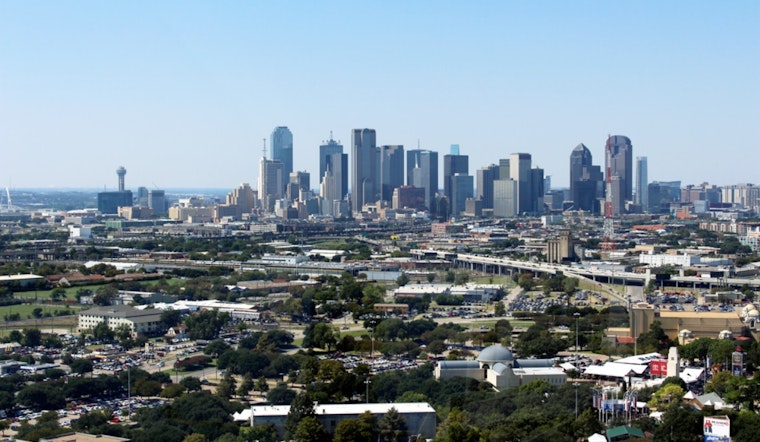
Stream Realty Partners has wrapped a recapitalization that drops seven Class A industrial parks across Texas into a continuation vehicle, keeping day-to-day control while inviting in new capital. The rollover pulls roughly 4.4 million square feet of newly built logistics space, finished between 2021 and 2024, into the vehicle and leaves Stream holding the majority ownership stake.
Deal details
In a company announcement, Stream said the seven industrial parks were developed from 2021 to 2024 and together total about 4.4 million square feet of Class A industrial space, with clear heights ranging from 28 to 40 feet and building sizes from roughly 25,000 square feet up to one million. The properties sit in high-growth submarkets in Dallas, Austin and San Antonio, and the continuation vehicle is designed to provide extra capital and time to unlock embedded value in the portfolio, according to Stream Realty Partners.
Who bought in and who advised
Industry reporting notes that an outside investor has taken a 35% ownership stake in the vehicle, with Stream retaining the remaining 65%, as reported by ConnectCRE. Coverage of the deal also reports that Evercore served as Stream's exclusive financial advisor, while Winston & Strawn acted as legal counsel on the recapitalization.
“The closing of our first continuation vehicle is an important milestone for Stream,” Adam Jackson, the firm’s chief investment officer, said in a company statement. Stream told investors the vehicle will provide the time and capital needed to pursue leasing and broader value-creation plans, according to PR Newswire.
Why sponsors are using continuation vehicles
Continuation vehicles, a form of GP-led recapitalization that lets sponsors extend the hold period on selected assets, have become a popular way to manage portfolios and create liquidity in a tighter financing environment. Market research shows GP-led secondaries and continuation deals have climbed sharply in recent years and helped fuel a notable pickup in real estate secondaries activity, according to Jefferies. Legal advisers and industry observers also caution that these structures demand rigorous valuation work and clear communication with limited partners to head off conflicts of interest, a recurring concern with GP-led transactions.
What it means for Texas markets
The recap lands as Texas industrial markets adjust after a multi-year building spree. Overall vacancy across the state has moved higher, but major metros such as Dallas-Fort Worth and San Antonio continue to outperform national averages. State research and market analysis indicate that vacancy has climbed to the mid-single digits statewide, while Dallas-Fort Worth, Houston and San Antonio have remained relatively resilient and Austin has seen softer rent trends, according to the Texas Real Estate Research Center at Texas A&M.
Bottom line
For Stream, the recapitalization keeps the upside in a batch of recently delivered Class A logistics assets while releasing outside capital to push leasing and operational strategies. The transaction highlights ongoing institutional appetite for modern industrial space in Texas even as the market works through near-term supply and demand shifts, per Stream Realty Partners.





