

























































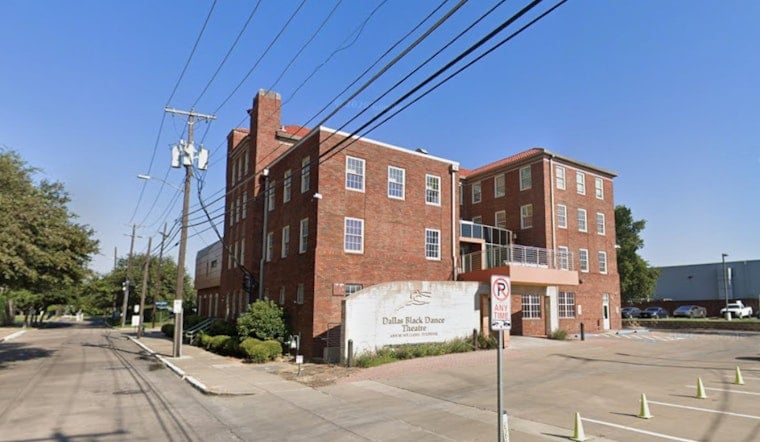
Dallas Black Dance Theatre has ratified its first collective bargaining agreement with its unionized dancers, closing out a two-year labor dispute that cost the company more than $800,000 and reshaped its leadership from the top down. The company and the American Guild of Musical Artists jointly announced the deal this week, capping months of fallout that included mass firings, a federal settlement and the departure of the troupe's longtime executive director.
The agreement covers DBDT's main troupe of dancers and runs for three years through 2029, according to The Dallas Morning News. The AGMA board approved the contract Monday and the DBDT board signed off Friday, while current dancers had already voted to approve it two weeks before the announcement. It took 11 months to negotiate, and it does not extend to DBDT: Encore!, the company's second ensemble, which remains outside the union and the bargaining agreement.
How the Dispute Began
The trouble traces back to April 2024, when dancers joined AGMA and the union notified Dallas Black Dance Theatre that performers had authorized it to represent them. The company declined to recognize the union that year, and dancers responded by filing unfair labor practice charges with the National Labor Relations Board. Management fired rehearsal director Sean J. Smith in July 2024, and then, that August, then-executive director Zenetta S. Drew fired the entire main company of dancers who had filed the charges.
The union filed a series of unfair labor practice charges in response, and in November 2024 the NLRB issued a formal complaint against the company after finding reasonable cause for nearly 20 violations, recommending an emergency federal injunction, according to the American Guild of Musical Artists. Before unionizing, main company dancers had reported working multiple outside jobs to cover low weekly wages while contending with strict rules on personal appearance, including infractions for bandanas or unapproved hairstyles, and inadequate per diems while touring, according to Labor Notes.
A Costly Settlement and Municipal Fallout
Dallas Black Dance Theatre and the NLRB reached a $560,000 settlement in December 2024 to compensate the fired dancers, requiring the company to issue formal written apology letters and offer the dancers reinstatement, per KERA News. Current dancers were grandfathered into the collective bargaining unit under that settlement. The Dallas City Council responded to the unfair labor practice findings by cutting about $248,000 in funding to the company for the 2024-25 season, before voting last November to restore $225,000 after observing the leadership and governance changes that followed.
The dispute also hit the company's bottom line hard. Dallas Black Dance Theatre lost $2.5 million in fiscal 2025, per its Form 990, even as it reported $3.1 million in fiscal 2025 revenue. Drew, who had expanded the company's educational programs and led it into performances around the world during her tenure, announced her retirement amid the crisis. A DBDT board task force subsequently recommended new management practices, including board-member term limits and more proactive board oversight, changes the city council later cited when restoring funding.
New Leadership Steers a Rebuild
Kristie Patton Foster took over as executive director in June, hired to help steady the organization alongside Richard A. Freeman Jr., who has served as artistic director since 2024. DBDT board chairman Jack Skinner said the labor dispute caused significant fallout for the company, but added that the organization has rebuilt much of its lost internal trust. Griff Braun said the new contract was key to turning around the reputational harm the company suffered in 2024.
The agreement itself includes increases in minimum salaries, built-in raises and a seniority-based wage scale, with dancer salaries starting at $800 per week for first-year performers. It codifies health insurance and retirement contributions, guarantees employment for at least 12 performers for at least 41 weeks per year, and strengthens parental, personal and sick leave. The contract also establishes work rules, safety protections, anti-discrimination and anti-harassment provisions, and a grievance and arbitration process, and it creates a joint labor-management committee. As part of the resolution, the AGMA board lifted the order that had prevented union members from licensing dance pieces to Dallas Black Dance Theatre or otherwise working with it. The dancers' negotiating committee said the first contract provides meaningful protections for current dancers and strengthens the company for future dancers.
Part of a Broader Shift Among Black Dance Companies
Dallas Black Dance Theatre's new contract lands amid a wider national trend. In December 2025, AGMA finalized a landmark collective bargaining agreement with Dance Theatre of Harlem, according to the American Guild of Musical Artists, and AGMA also represents dancers at Alvin Ailey American Dance Theater, another premier Black dance institution. Founded in 1976 by Ann Williams, who had established the Dallas Black Dance Academy three years earlier, Dallas Black Dance Theatre is the oldest continuously operating professional dance company in Dallas and the largest professional Black dance troupe in the American South, according to En Face Magazine. Williams retired as artistic director in 2014, and under her leadership the company's budget grew from $175,000 in 1987 to more than $5 million by 2024.
Over its 50-year history, the company has performed for more than 5 million audience members across 30 countries, including featured performances at the 1996 Atlanta Olympics and the 2012 London Cultural Olympiad, per the same En Face account. DBDT also operates out of the historic Moorland YMCA building in the Dallas Arts District, one of only three remaining structures there tied to the city's early African American community, according to KERA News. The new collective bargaining agreement takes effect when dancers report for the 2026-27 season next Monday, and the company opens that season with DanceAfrica on October 9 and 10 at Moody Performance Hall.




