

























































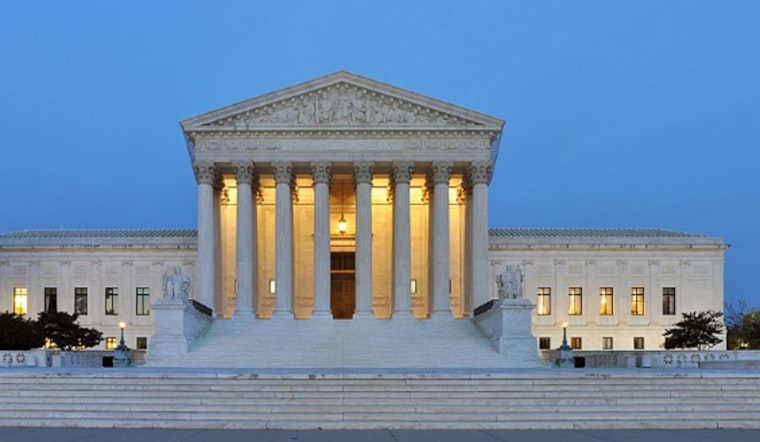
The U.S. Supreme Court on Monday declined to weigh in on a high-profile fight over books pulled from Llano County’s public libraries, leaving in place a Fifth Circuit ruling that let county officials strip titles from the shelves. The move keeps the contested removals intact across the area covered by that appeals court and pours more fuel on a long-running clash over who gets to shape public reading options. In Llano, a rural Texas county where the dispute began, a local campaign to yank certain books has turned into a national test of library rights and free-speech law.
The controversy dates back to 2022, when a group of residents pressed the county library commission to remove more than a dozen titles, including Isabel Wilkerson’s "Caste," Jazz Jennings’ "Being Jazz," Maurice Sendak’s "In the Night Kitchen" and puberty guides such as "It’s Perfectly Normal," according to My Plainview. The Supreme Court’s decision to turn away the appeal was reported Monday by the Associated Press, which noted that the justices did not explain.
A federal judge had ordered some of the books returned in 2023, but the full 5th U.S. Circuit Court of Appeals wiped out that relief in a May 23 opinion and rejected the plaintiffs’ free-speech claims, as detailed in the court’s published opinion on Justia. The majority wrote, "No one is banning (or burning) books," and suggested patrons could find the removed works elsewhere, language critics say, brushing aside the First Amendment stakes. Reuters reported that the ruling was issued by a 10–7 vote and that it currently applies only within the Fifth Circuit’s jurisdiction of Texas, Louisiana, and Mississippi.
Free-speech advocates and librarians did not hold back. PEN America said leaving the Fifth Circuit decision in place "erodes the most elemental principles of free speech," while the Associated Press quoted American Library Association President Sam Helmick, warning that the Court’s inaction "threatens to transform government libraries into centers for indoctrination." Both groups urged the public to pay closer attention to how local officials shape library collections.
Legal Stakes For Libraries
The 5th Circuit’s opinion leaned heavily on the government-speech doctrine, concluding that library collection choices count as a form of government expression and are therefore outside the reach of the plaintiffs’ First Amendment claim, as per Justia. With the Supreme Court refusing to review the case, that interpretation now controls within the Fifth Circuit unless another federal appeals court takes a different view and creates a split that could push the issue back to the high court. Legal observers say the ruling effectively shifts many future fights over library shelves from courtrooms to county meetings and school board hearings.
What Comes Next
For now, the disputed titles remain off Llano County shelves, and patrons who want to read them have to turn to bookstores, interlibrary loan, or personal copies, options that the appeals court specifically highlighted, Reuters notes. Advocates say that the shift puts the practical burden of access on individual readers and risks normalizing ideological gatekeeping in publicly funded libraries. Expect continued litigation and a steady dose of local organizing as communities, librarians and officials probe how far collection authority really reaches.
With the Supreme Court stepping aside, Llano remains a case study in how decisions in a single county can ripple across the country. Library staff, readers and civic groups will be watching closely to see whether future courts or lawmakers draw different lines over who gets to decide what sits on public shelves.





