

























































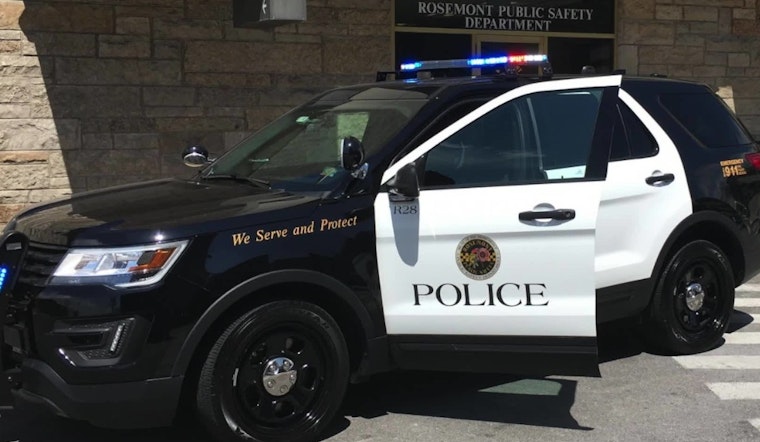
Amidst swirling questions and police updates, the situation revolving around actress Tara Reid and her recent alarming experience at a Rosemont hotel bar is evolving. Reid reported possibly being drugged on November 23, a claim that the Rosemont Public Safety Department has yet to substantiate with evidence, according to a report from USA Today. Surveillance footage from the DoubleTree Chicago O'Hare Airport — Rosemont did not reveal any evidence of tampering with Reid's drink, but did show a bartender responsibly covering her beverage while she stepped away.
Reid, known for her role in "American Pie," ended up hospitalized after the incident, something she described as "the scariest feeling" she has ever felt. "Last thing I remember is having one drink and waking up in the hospital the next day without remembering anything," Reid said in a statement obtained by USA Today. The actress's representative Jane Owen emphasized the gravity of the situation, insisting "no one ends up in the hospital incapacitated for over 8 hours after a drink."
Despite the absence of visual proof of any wrongdoing in surveillance, the situation has yet to fully unfold. The Rosemont Police spokesperson acknowledged to NBC Chicago that while there's currently no criminal act to report, the results from chemical testing on hospital records could still alter the course of the investigation. Reid's account of feeling drugged, coupled with her subsequent hospitalization, hangs in the balance as authorities await more conclusive evidence.
Despite police statements undermining her claim, Reid stands firm on her experience, referring to it as "horrifying," and maintains that it has drastically impacted her mental health. "This has been a horrifying experience for me that is severely affecting my mental health," she told USA Today. The actress asserts to have been drugged, cementing her stance amidst a haze of partial information and the ongoing quest for clarity.
The investigation is still very much in a state of limbo, with the police reiterating the importance of vigilance about personal drinks in public settings. Their advice echoes through the incident's coverage, suggesting people "to never leave a drink unattended" and to reach out to local authorities if feeling drugged or unsafe. Reid's ordeal surely serves as a stark reminder of vulnerabilities that can arise even in the most seemingly secure environments.





