

























































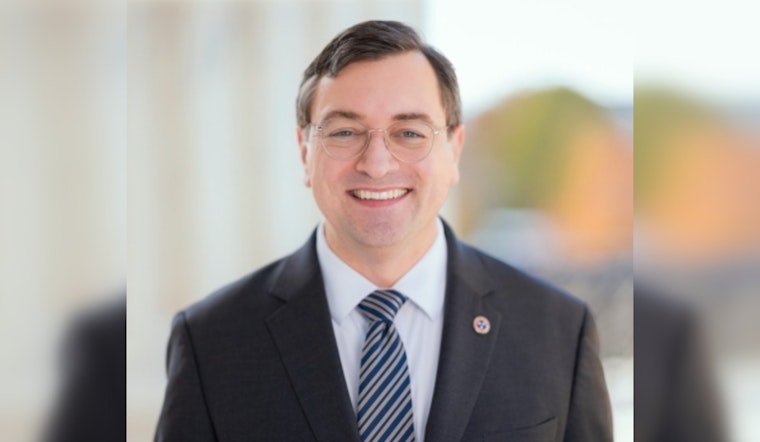
Tennessee's top lawyer is at the helm of a multi-state opposition against a contentious regulation handed down by the College Sports Commission (CSC). Attorney General Jonathan Skrmetti has gathered seven other state attorneys general in a bold challenge against the CSC's new Participant Agreement, which the commission insists all Division I schools sign immediately, as detailed in a recent announcement.
The agreement, sent out to Power Four schools, carries with it severe implications: potential loss of conference revenue, and postseason bans applied over litigation related to CSC's own rules and decisions—even when the commission is at fault. Issued with a demand for immediate compliance, the agreement has been criticised for leaving no room for input from the institutions it affects. According to a statement released by Tennessee's government news outlet, Skrmetti has cautioned that such an autocratic agreement could harm student-athletes and lacks transparency, punishing schools for events outside their control.
In their collective letter to CSC and collegiate conference commissioners, the attorneys general outlined several "fatal flaws" in the agreement. Notably, it imposes mandatory arbitration and strips away the right to a jury trial, actions that many public universities are legally barred from accepting. The enforcement system described in the agreement is drawn to give arbitrary penalties without independent oversight, a setup mirroring the problematic NCAA enforcement regime, which has historically been struck down in the courts for its lawfulness.
These state legal officers also speculate that the CSC's Participant Agreement might be tactically set up for failure, as a means to garner support for the contentious SCORE Act presently under congressional consideration. Both the act and the agreement seem to aim for creating a dictatorial authority free from accountability. "There are real problems in college sports that need to be solved but this Agreement just means more wasted time before we get to a real solution," Skrmetti told Tennessee's official government website, showcasing his stance that power without accountability is not trustworthy.
In response to what they deem an egregious overreach, the Attorney General's Office has called upon the CSC to retract its current Agreement, open a candid discourse with member institutions, and work towards a framework that ensures transparency, due process, and genuine oversight. As it stands, schools, student-athletes, and state officials await the next play as the battle lines have been drawn in defence of fair play and institutional rights within college sports.




