

























































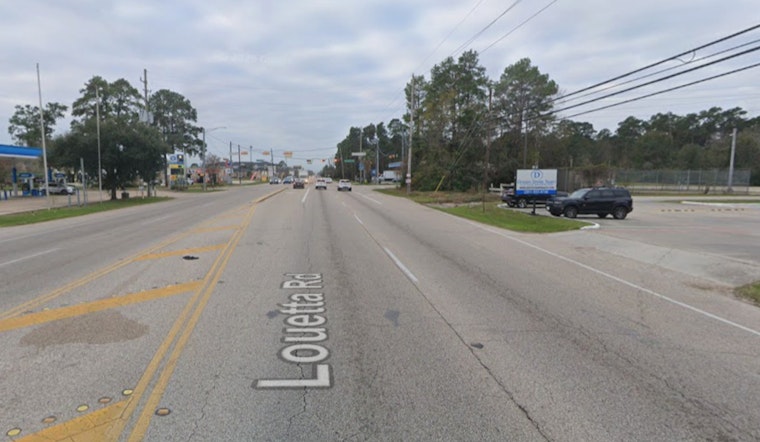
Homeless encampments that for years clustered under downtown bridges and along Houston freeways are now popping up farther out, with tents, tarps, and RVs visible along stretches of FM 1960 and Louetta Road. The new suburban backdrop has rattled business owners and residents in fast-growing parts of unincorporated Harris County, where local officials say they are constantly juggling outreach and cleanup. With shelter capacity tightening across the region, officials and advocates warn this may not be a blip but the start of a long-term suburban reality.
Where the camps are moving
Encampments are becoming increasingly common on Houston’s north side near FM 1960 and Louetta Road, a pattern that Harris County Precinct 3 Commissioner Tom Ramsey described as “only natural” as big-city problems spread outward, according to KTRH. Ramsey said his office typically calls in the Sheriff’s Office or the Constable’s Office when they encounter large encampments, noting that those agencies use trained teams to engage people and connect them with services. County officials insist they will not let sprawling camps take root, even as they repeatedly stress the need for a more compassionate, service-first approach.
Recent cleanups show limits of sweeps
An encampment behind a strip mall on Louetta Road was cleared earlier this week, but property managers told Click2Houston that many people simply moved to nearby lots after county crews and constables stepped in. A Ramsey spokesperson told the outlet the county works with the Sheriff’s Homeless Outreach Team and nonprofits such as Hope Haven to offer services during those cleanups, yet many individuals turn down assistance and sometimes return to the same area. Business owners in Spring told Click2Houston that the recurring disruptions have driven away customers and fueled safety concerns.
Why unincorporated Harris County is vulnerable
Unincorporated Harris County is vast, and the county’s Office of County Administration estimates that about 1.97 million people live outside any city limits. That heavy population on the edges makes it a logical landing spot for people who are unsheltered and moving away from central Houston. County agencies also have narrower taxing and regulatory tools than cities, which leaves much of the day-to-day public safety and outreach work to precinct offices, emergency services districts, and voluntary nonprofits. That mix of high population and a thinner local authority helps explain why issues that once seemed confined to Houston’s core are now surfacing along suburban corridors.
Shelter capacity is shrinking
Research from Rice University’s Kinder Institute shows that the region’s supply of shelter beds has dropped to its lowest point in more than twenty years, with roughly 2,600 temporary beds in the latest Housing Inventory. The institute also reports a rise in the number of people counted as unsheltered during that same period, a combination that officials say is helping drive the spread of encampments outside the city. Local leaders regularly cite the bed shortage as they push proposals for new low-barrier shelters and service hubs.
County response: outreach plus enforcement
Ramsey says his office will keep referring large encampments to law enforcement and outreach teams in an effort to both clear public spaces and offer help, a strategy he outlined in comments to KTRH. County spokespeople say crews give people multiple opportunities to accept services before they clean up sites, but also emphasize that they will not permit extensive, unmanaged camps that officials argue are often linked to crime and untreated mental illness. The blend of outreach and enforcement reflects the politically delicate balance precinct leaders are trying to maintain.
Neighbors and nonprofits sound the alarm
Nonprofit leaders and local businesses say sweeps alone will keep producing the same result unless more permanent housing and intake capacity are added. Community groups along the FM 1960 corridor have called for deeper investment in services, and Community Impact has detailed how organizations like Hope Haven are trying to widen their outreach even as property owners push for quicker cleanups. Advocates caution that without new shelter options, every cleared camp is likely to reappear a little farther down the road.
What comes next
The city has floated plans for a high-profile “super hub” along with several smaller hubs to add low-barrier beds and support services as part of a three-year effort that local leaders say is designed to slow the outward spread of homelessness. As the Houston Chronicle reported, the proposed Emancipation Avenue site and related measures are intended to provide immediate intake, medical care, and referrals while longer-term housing is developed. For residents in the suburbs and officials in Harris County, the big question is whether that new capacity will arrive fast enough to keep camps from returning to FM 1960 and other county corridors.


