

























































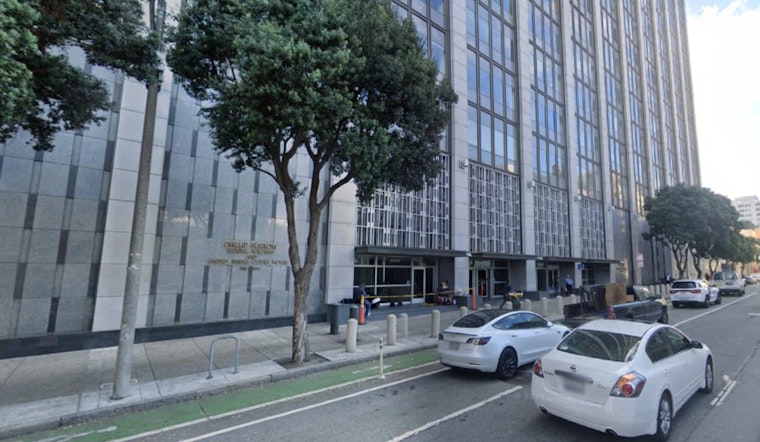
Ramesh “Sunny” Balwani just hit another brick wall in federal court. On Monday, a San Francisco-based appeals panel refused to give the former Theranos executive any more chances to rehash his criminal case, shutting down his latest bid to revisit issues from his high-profile fraud trial. The terse order leaves his convictions, and the massive restitution tab that comes with them, very much alive.
The U.S. Court of Appeals for the Ninth Circuit issued a short order declining both a panel rehearing and a full en banc review. No judge on the court even asked to vote on whether to rehear the matter, according to Bloomberg Law. On the docket, the case is listed as USA v. Balwani, No. 22‑10338. Balwani had argued that the original appeals panel overlooked or misread key points in his defense.
The denial follows a February opinion in which a three-judge Ninth Circuit panel upheld Balwani’s 2022 jury convictions and concluded that the trial judge’s failure to fully probe potential bias among certain former Theranos employees was a harmless error. Justia hosts the published opinion, which lays out the panel’s step-by-step legal reasoning.
Balwani was sentenced in December 2022 to 155 months in prison, roughly 12 years and 11 months, plus three years of supervised release, according to a press release from the U.S. Attorney’s Office. The appellate rulings have also left in place roughly $452 million in restitution that Balwani and Theranos founder Elizabeth Holmes are on the hook for, and coverage of the post-appeal posture notes that Corr Cronin LLP and Orrick Herrington & Sutcliffe LLP represent Balwani. Bloomberg Law has detailed how the case has played out on appeal.
What Comes Next
With the Ninth Circuit slamming the door on further review, Balwani’s remaining federal move would be a long-shot appeal to the U.S. Supreme Court. That would require convincing the justices to take the case through a petition for certiorari, a Hail Mary in a system where the high court accepts only a tiny slice of the requests it receives. CNBC and legal analysts note that the odds are firmly stacked against him.
Why The Appeals Court Said No Reversible Error
On appeal, Balwani’s team argued that prosecutors had effectively rewritten the indictment at trial by introducing evidence about Theranos blood tests run on conventional laboratory machines, rather than the company’s much-hyped devices. They also claimed the government failed to correct what the defense characterized as false or misleading testimony from investor witnesses.
The Ninth Circuit was not persuaded. The panel concluded that the indictment gave Balwani sufficient notice of the charges he faced and that any issues with witness testimony did not rise to the level of reversible error under controlling precedent. Justia lays out the court’s analysis in full.
Bay Area Takeaway
For the Bay Area, the decision is another coda in a saga that once cast a long shadow over Silicon Valley, where Theranos soared from darling to disaster in spectacular fashion. The Ninth Circuit’s rulings have left both the criminal judgments and the restitution order intact, as AP reports, keeping financial accountability front and center for the onetime health-tech wunderkind and his former CEO.
The case still reads like a warning label for investors, regulators, and startup founders in the region: flashy pitches and sky-high valuations will not save you once the courts start asking hard questions about science, data, and who got hurt.





