

























































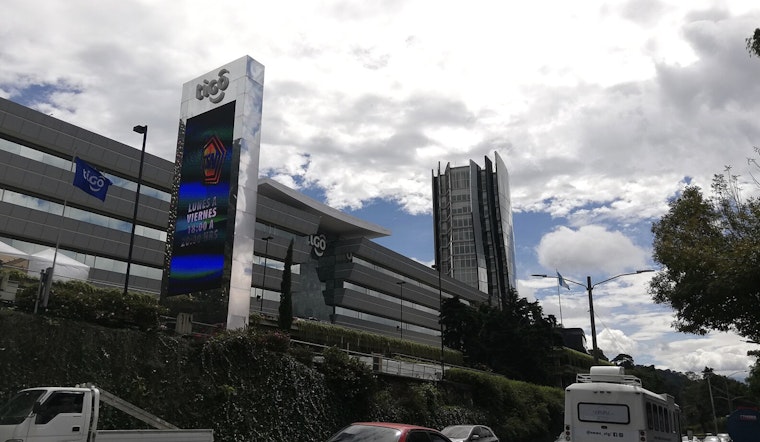
TIGO Guatemala, a subsidiary of Millicom International Cellular S.A., has paid over $118 million to settle bribery charges involving Guatemalan government officials. According to the U.S. Department of Justice, the scheme, which took place between 2012 and 2018, involved illicit cash payments linked to narcotrafficking aimed at securing legislative support.
Under a deferred prosecution agreement (DPA) with the Southern District of Florida, TIGO Guatemala admitted to conspiring to violate the Foreign Corrupt Practices Act (FCPA). The company is required to pay a $60 million criminal penalty and forfeit nearly an additional $60 million. U.S. Attorney Jason A. Reding Quiñones described TIGO Guatemala’s actions as a systematic bribery scheme using illicit cash, including proceeds linked to narcotrafficking, and stressed that such conduct constitutes a crime, not a business expense.
Documents showed a corporate culture entrenched in corruption, with regular cash bribes paid to lawmakers and their security teams. Following Millicom’s full acquisition and control of TIGO Guatemala in 2021, the company has implemented extensive compliance reforms and dismissed personnel involved in the misconduct. Under the DPA, TIGO Guatemala and its parent company will provide updates on compliance efforts throughout the agreement’s two-year term.
The settlement, which included a 50% reduction in penalties due to the company’s eventual cooperation and remediation. The initial investigation was hindered by interference from a former Guatemalan shareholder, which limited access to information and obstructed Millicom’s self-disclosure efforts. However, TIGO Guatemala received credit for its full cooperation during the second phase of the investigation, providing employee interviews and critical financial data—including evidence, documents, and Spanish translations—not previously available to the Department, which significantly aided the inquiry.
While the DPA marks the close of TIGO Guatemala’s troubled past, the case highlights ongoing efforts to hold corporations accountable for misconduct, with the Justice Department continuing to enforce the FCPA as a measure of integrity in the global market. The investigation was led by the FBI, with legal proceedings handled by trial attorney Natalie R. Kanerva, Assistant Chief Katherine Raut of the Criminal Division’s Fraud Section, and Assistant U.S. Attorney Eli S. Rubin for the Southern District of Florida.




