

























































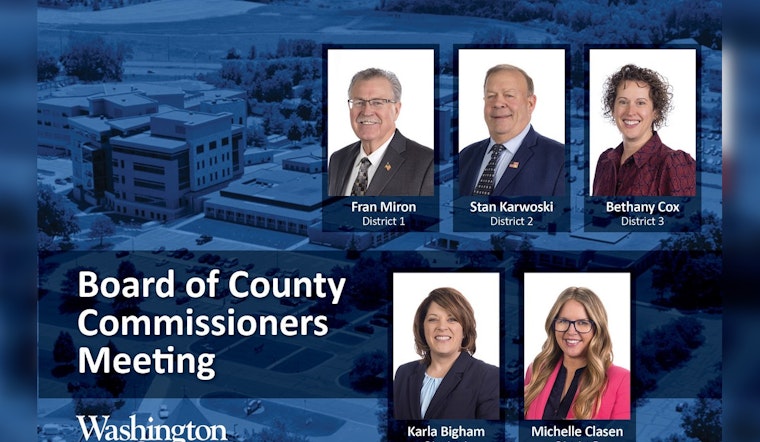
In a move that betters the operational gears of local governance, the Washington County Board of Commissioners is ringing in the new year with shifts in committee assignments and extending support to individuals with developmental disabilities. During the board meeting on December 23, announced via official release, new appointments and an increased budget for critical services were on the agenda. Commissioner Bethany Cox will serve on the Mental Health Advisory Committee and support the State Community Health Services Advisory Committee as an alternate, while Stan Karwoski is now on the Parks and Open Space Commission and Fran Miron joins the University of Minnesota County Extension Advisory Committee, also as an alternate.
Alongside the shuffle, Washington County has lengthened its financial commitment to day support and employment support for those with intellectual and developmental disabilities through 2028. With amendments to existing contracts, organizations Rise and Lifeworks Services, Inc. will be injected with an additional $167,000 and $57,000 per year respectively. According to Denise Landry, Community Services Division Manager, these services strive for the utmost independence and inclusion within the community, ensuring safety and care when caregivers can't be present.
Addressing the destructive tide of the opioid epidemic, the Washington County Opioid Settlement Council distributed $700,000 to seven community projects combatting the crisis. A combination of continued and new initiatives received funding, focusing on areas from veterans' support facilitated by Invisible Wounds Project to expanding naloxone access through the Steve Rummler HOPE Network. Following an intensive selection process from September to October, which reviewed 31 proposals, grants were allotted based on community impact in areas such as treatment, justice-involved persons' needs, and harm reduction efforts.
The opioid initiatives align with the county's lauded strategy in dealing with settlement funds, a past recipient of national and county-level awards. Garnering recognition for its excellence, the council's selection process and grant dispersal underscore Washington County's commitment to forging a comprehensive response to addiction challenges. "These projects will fill gaps and meet community needs by supplementing the strong network of services and resources already available in Washington County," detailed Rolando Vera, Senior Public Health Program Manager of Nursing Services, emphasizing supplementary roles to established programs like Washington County Jail's MOUD initiative.



