

























































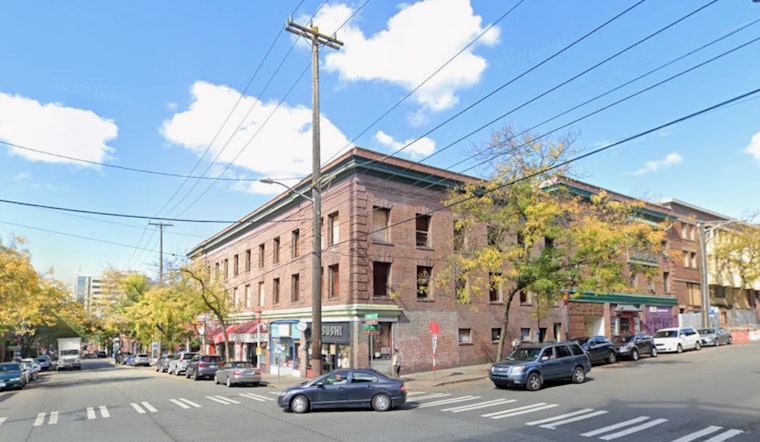
A tech-industry grant is dragging a long-idle landmark back into Seattle’s housing conversation. The century-old Eclipse Hotel in the Chinatown–International District is on track to become affordable senior rentals, with Amazon footing a key part of the bill. The neighborhood nonprofit that already manages much of the CID’s housing, SCIDpda, has closed on the property and plans to bring the upper-floor housing back to life while keeping the commercial storefronts at street level. The pitch is simple but ambitious: preserve a historic building and relieve mounting housing pressure on older residents in the neighborhood at the same time.
How the deal came together
SCIDpda says it officially closed on purchasing the Eclipse Hotel on December 31, 2025, crediting a $2 million grant from Amazon’s Housing Equity Fund with making the deal possible. The group notes it had already been managing the property since late 2024 and that it bought the building from the Dong family, who had held it for generations. The nonprofit laid out the acquisition details in a January 13 press release from SCIDpda.
The building's history and what's inside
The Eclipse Hotel dates back to 1908 and, according to industry reporting, is built out with roughly 80 single-room-occupancy units stacked above about 7,200 square feet of ground-floor commercial space. Much of the residential portion has been sitting empty since the 1970s, which is a long time for any building to wait for new tenants. The structure falls within the National Register boundary for the Chinatown–International District and will need seismic, habitability, and accessibility upgrades before anyone can move in again, details that were reported by CoStar.
SCIDpda's plan for seniors and preservation
SCIDpda plans to turn the Eclipse into affordable rental housing aimed at seniors, while keeping retail and other commercial uses on the ground floor so the building stays active at street level. The organization says it will preserve the property’s historic character and restrict rents to households earning roughly 30 to 60 percent of area median income. It is also treating the Eclipse as a pilot project for rehabilitating unreinforced masonry buildings in the CID, a category that has long been viewed as too complicated and expensive to tackle at scale. To pay for the work, SCIDpda says it will go after a mix of public and private funding and respond to various Notices of Funding Availability to pull together the necessary construction capital, according to SCIDpda.
Why Amazon's support matters
Amazon’s Housing Equity Fund has increasingly been used to plug financial gaps in local affordable housing deals and has grown into a multibillion-dollar effort to create or preserve tens of thousands of homes in the regions the company calls home. Industry reporting and interviews with the fund’s leadership describe it as roughly a $3.6 billion commitment with a goal of creating or preserving more than 35,000 affordable units, using a mix of grants and low-cost loans to speed projects over the finish line. In a neighborhood like the CID, developers say capital of that scale can help unlock tax credits and public money that are often crucial to making a preservation-first conversion pencil out, according to Urban Land.





