

























































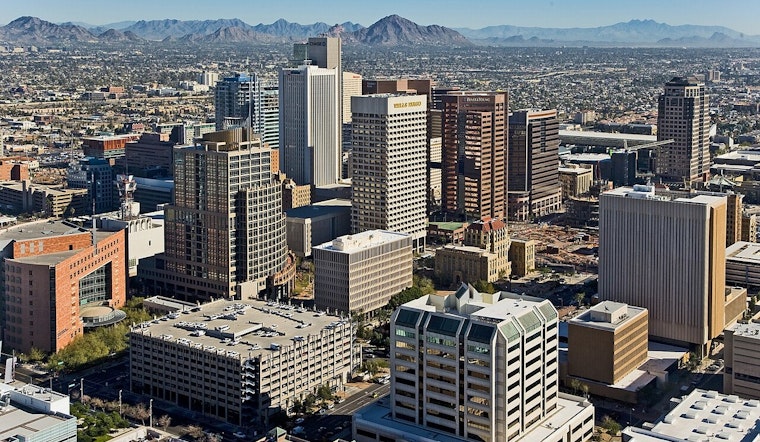
Arizona is still pulling in new residents by the tens of thousands, even as the state’s population surge eases off the gas. Fresh federal estimates show Arizona added roughly 67,000 residents in the year ending July 1, 2025, pushing the population to about 7.62 million. That is solid growth by almost any measure, but it is a clear comedown from the breakneck pace of recent years, even as Arizona stays near the top of the national leaderboard for raw gains.
According to the U.S. Census Bureau, Arizona’s population reached 7,623,818 on July 1, 2025. That was an increase of 67,394 people, or 0.9%, from the year before. The bump was enough to rank Arizona seventh in the country for numeric growth and eighth for percentage growth, behind only Texas, Florida, North Carolina, Georgia, South Carolina, and Washington in total new residents.
Where The Numbers Came From
Most of those newcomers landed in the greater Phoenix area. State commerce figures from the state commerce show Maricopa County alone added about 61,543 people, while Phoenix itself grew by roughly 11,793 residents over the same period. Cities on the fringes of the Valley, including Surprise, Buckeye, and Goodyear, also logged some of the largest city-level jumps in the state, according to the same report.
Why Growth Slowed
The cooling trend is not just an Arizona story. As the U.S. Census Bureau notes, net international migration slid from about 2.7 million to 1.3 million between the two most recent reporting periods, a drop that carved deeply into national and state population gains. National coverage, including reporting in the Washington Post, has linked that decline to wider policy and enforcement shifts that curbed arrivals and slowed growth across much of the Sun Belt.
Local Implications For Housing And Jobs
For Phoenix-area builders and employers, the mix and volume of new arrivals could reshape everything from housing demand to hiring plans and public services. Local business reporting, including a summary in the Phoenix Business Journal, suggests that while softer growth may ease some price pressure, it will still keep long-term questions about infrastructure and land use squarely in front of policymakers.
State analysts and business observers emphasize that a single slower year does not undo the broader trajectory: projections and local economic coverage, such as reporting by inBusiness PHX, indicate Arizona’s population is expected to keep climbing for decades. That means the planning headaches are not going anywhere. For now, officials say migration patterns will be the key metric to watch as counties and cities adjust budgets, zoning, and permitting to handle whatever the next round of numbers delivers.





