

























































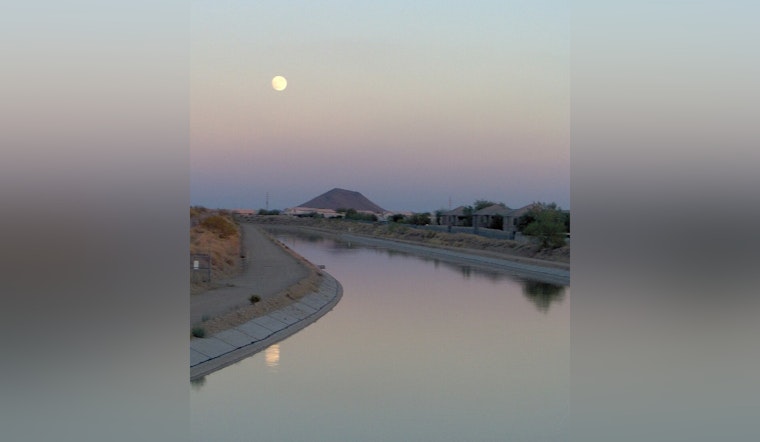
Arizona’s water future hangs in the balance as talks continue over how to manage the shrinking Colorado River, which has been depleted by years of drought and the growing impacts of climate change. Brenda Burman, general manager of the Central Arizona Project, has warned that additional water reductions could have serious consequences for the state, placing increased pressure on communities and the agricultural sector.
In a statement obtained by ABC15, Burman said, "We’re very disappointed with that document. If any of those alternatives were implemented, it would be very, very difficult and perhaps devastating for Arizona." Under some of the proposed plans, Arizona could face cuts of up to 57% if drought conditions do not improve. The negotiations are against the backdrop of an agreement set to expire on October 1, 2026, prompting the federal government to offer a plan in January as states struggled to reach a collective decision.
The CAP, a 300-mile-long canal system essential to the provision of water to over six million people and eleven tribes, is currently last in line for water allocation among the lower-basin states, as per Arizona's original agreement to secure federal funding for the canal. Despite the state’s history of prioritizing water conservation, these allocations have led to significant reductions, especially impacting Pinal County's agricultural sector, where water use has been cut by over a third, according to Burman, in an interview with ABC15.
As negotiations move forward, Arizona continues to push for a cooperative and equitable solution, steering away from a federally imposed plan or costly legal disputes. In an interview with Yahoo News, Burman said Arizona and other lower basin states are already taking steps to conserve water and are preparing for steeper reductions by 2027, while urging upper basin states to also shoulder their share of the responsibility. She emphasized that Arizona is ready to contribute, but not without broader participation.
This difficult path forward for Arizona highlights the broader challenge of water management in an era of climate unpredictability. With the federal government poised to finalize new rules for the Colorado River if a multi-state deal is not reached by February 14, Arizona Governor Katie Hobbs plans to travel to Washington, D.C., seeking a negotiated agreement that would balance the interests and needs of the seven states, Mexico, and the United States, involved in the lifeblood of their shared water resource.





