

























































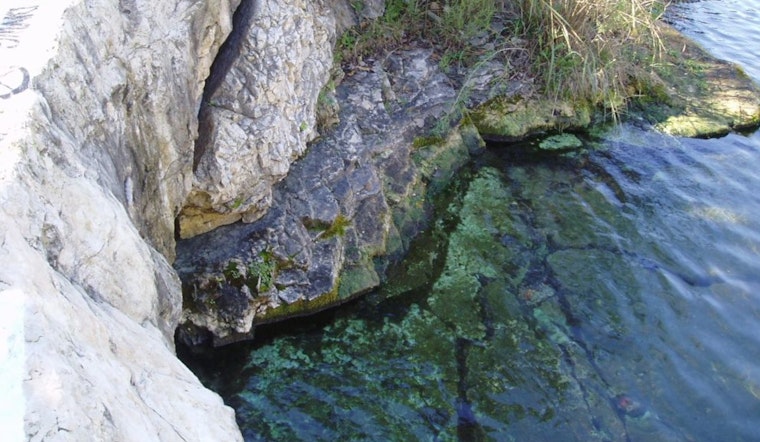
The lifeline that keeps Barton Springs flowing and tens of thousands of faucets running across South Austin and Hays County is running dangerously low, with groundwater officials warning the aquifer is skimming near historic lows and could tip into its most severe drought category within weeks if meaningful rain does not show up.
The Barton Springs–Edwards Aquifer Conservation District says nearly four years of below-average rainfall across Central Texas have steadily dragged down both spring flows and monitor well readings. The next few weeks, they warn, will decide whether the district has to pull the trigger on a Stage 4 Emergency Response Period, the highest drought level on its books.
As reported by Fox 7 Austin, staff say Barton Springs’ 10-day average flow and the Lovelady monitor well are now hovering just above the Stage 4 thresholds. The district has been in continuous drought for roughly 43 months, and a Stage 4 declaration could land as soon as late March if the region stays dry. KXAN notes that nearly 100,000 people depend on these segments of the aquifer for their drinking water in Travis and Hays counties.
Where The Numbers Stand
District charts reviewed at a recent board meeting show Barton Springs currently flowing at about 12 cubic feet per second, with the Lovelady well’s 10 day average sitting only a few feet above the emergency line. Hays Free Press reported early January 10 day averages of roughly 12.4 cfs at Barton Springs and 454.6 feet above mean sea level at Lovelady, and warned that without broad, sustained recharge, both measures could fall into Stage 4 territory by late March or early April.
Local conservation advocates, including Save Our Springs, point out that the region has effectively missed about a year’s worth of rainfall since 2022. That shortfall piles extra stress on already weak spring flows and on the aquatic species that rely on them to survive.
What Stage 4 Would Mean
If the district declares a Stage 4 Emergency Response Period, groundwater permit holders will be hit with steep monthly pumpage cuts, typically from 30 percent reductions up to full curtailment depending on permit class. Utilities and private well owners would be required to strip away nonessential use, which means the days of casual lawn watering and long driveway washdowns would be over in a hurry.
The district’s drought rules and previous statements spell out those cutbacks in detail, and local coverage has warned that cities leaning heavily on the Barton Springs segment, including Buda and Kyle, could see tighter supplies or be pushed to line up alternative sources. For more background on how the district defines and enforces each drought stage, see the BSEACD release along with reporting from the Austin American-Statesman.
Why Austin Proper May Be Less Exposed
Inside Austin city limits, most tap water comes not from the Barton Springs segment but from the Highland Lakes system, backed by firm water contracts with the Lower Colorado River Authority. That setup gives city customers a degree of insulation from direct Barton Springs-related curtailments, even as conditions underground worsen.
Smaller utilities and private wells that pull straight from the aquifer do not have that buffer, which is one reason city planners have leaned hard on reuse, stormwater capture and other long term strategies laid out in the Water Forward plan to reduce future vulnerability. Details on those efforts are available through City of Austin materials and coverage in the Austin Chronicle.
What Residents Can Do Now
District staff and conservation groups are pushing a simple message to residents: start cutting back now. That means pausing outdoor irrigation, fixing leaks quickly, trimming nonessential indoor use, and, where possible, backing rainwater capture and reuse systems that take some pressure off the aquifer.
Organizations like Save Our Springs and the district’s own communications team publish regular drought updates along with practical household checklists. Officials say those small actions, multiplied across neighborhoods, can stretch limited supplies while everyone waits to see whether meaningful recharge arrives. Recent district communications and resources are compiled by outreach staff and partners such as Shay Hlavaty, with specific guidance for both permittees and residents.
According to local coverage, the Barton Springs–Edwards Aquifer Conservation District board is set to meet on Feb. 12 to review the latest readings and consider any policy moves that might be needed. Hays Free Press lists the next public meeting date and links to district information pages for residents who want to keep an eye on the charts and stay current on any new restrictions.





