

























































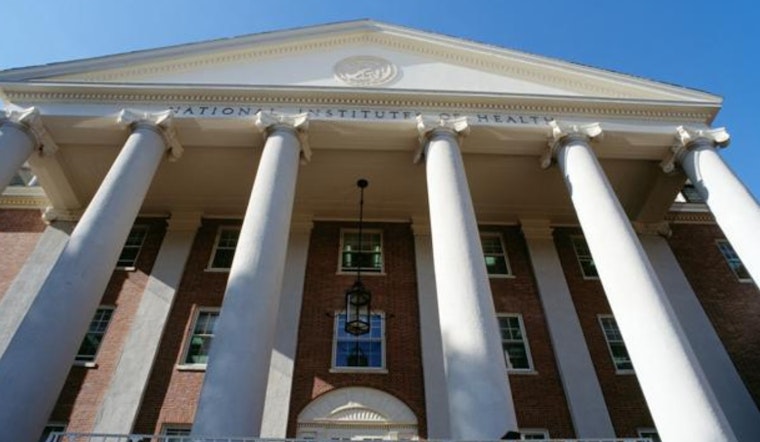
A federal judge this week blocked the Trump administration’s plan to cap federally funded research overhead at 15 percent, keeping in place the negotiated indirect cost rates that pay for lab space, safety compliance, equipment and research staff. Universities had warned that the policy would strip billions from campus science budgets and trigger hiring freezes and program cuts. Bay Area research powerhouses, including UCSF, Stanford and UC Berkeley, were among those sounding the alarm that their operations would be hit hard if the cap took effect.
In early January, a federal appeals court affirmed a lower court order that barred the National Institutes of Health from putting the 15 percent cap into effect, finding the agency had exceeded its authority and run afoul of statutory constraints, according to Just Security. The appellate decision followed district court injunctions and rulings that have already paused similar moves at other agencies while the litigation plays out.
Why The Cap Would Have Hurt Labs
The 15 percent limit went straight at indirect costs, the facility and administrative fees tacked on to federal grants that cover things like utilities, specialized equipment, hazardous-waste disposal and compliance staff. NIH estimated the change could free roughly $4 billion a year for direct research spending, but critics argued the cuts would instead hollow out basic infrastructure and slow or halt clinical trials, according to The Boston Globe.
Which Agencies Tried To Cut Overhead
NIH was not the only agency that moved toward a 15 percent ceiling. The Department of Energy, the National Science Foundation and the Department of Defense all issued similar directives in 2025. Courts have blocked or vacated several of those actions amid coordinated lawsuits from university groups and state attorneys general, as reported by Higher Ed Dive.
Local Universities Sounded the Alarm
University officials and state attorneys general argued in court that the caps were rolled out without required notice-and-comment rulemaking and violated long-standing appropriations language, putting jobs and graduate programs at risk. Some institutions responded by pausing graduate admissions and hiring amid the uncertainty, and the University of California system joined other plaintiffs pushing courts to halt the policy, according to The Boston Globe.
What's Next
The administration has pursued appeals in some cases and could seek further review after the latest rulings, though officials have not laid out a clear path forward, according to Bloomberg Law. For now, judges have stressed that agencies must follow established administrative procedures before making sweeping changes to how grant money is reimbursed.
Legal Takeaway
Federal judges have repeatedly labeled the caps “arbitrary and capricious,” finding that agencies failed to explain how the policies would actually work and did not account for researchers’ reliance interests, per Higher Ed Dive. The rulings underline that negotiated indirect-cost agreements are embedded in statute and regulation and cannot simply be brushed aside overnight with new agency guidance.
What Researchers Should Do Now
Research offices are telling investigators to keep submitting proposals using their negotiated indirect-cost rates and to document any agency communications about awards while the court fights continue, according to guidance from university research offices such as Rice University. Local campuses say they will keep a close eye on the litigation and update investigators and staff as the situation evolves.
Media And Commentary
The case has drawn wide media attention. KABB’s National News Desk recently ran an interview with Rachel O’Brien of Open the Books about the scale of overhead dollars at stake, a segment that was republished by Fox San Antonio. That coverage echoed concerns that the caps, if they had stood, would have reshaped how universities finance the behind-the-scenes costs of scientific research.





.jpg)