

























































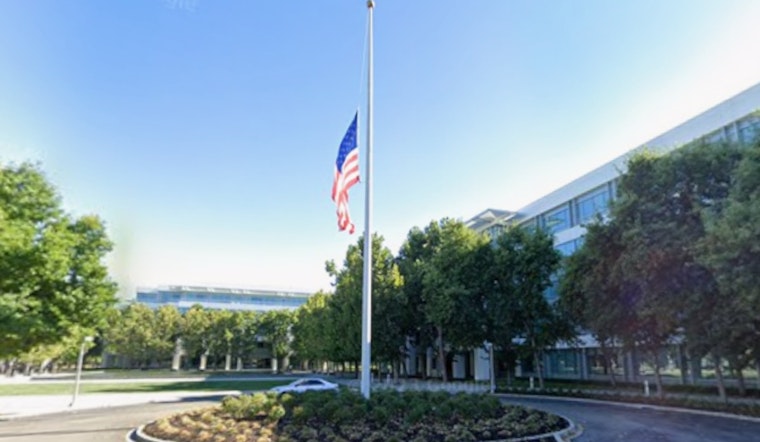
Sunset Development is moving fast to overhaul Bishop Ranch, the sprawling office campus on the edge of San Ramon, into a walkable, mixed-use neighborhood packed with housing, shops, and parks. The developer now estimates the effort could deliver roughly 8,400 new homes across the property over the next two decades, a shift propelled in part by the loss of a longtime corporate anchor. Several projects are already underway, and planners say the makeover will test whether a suburban office park can credibly double as San Ramon’s unofficial downtown.
As reported by the San Francisco Chronicle, Sunset president Alex Mehran has outlined a plan to add 8,421 homes across Bishop Ranch over about 20 years. The paper notes that 367 units are already finished, 1,055 are under construction and approvals are in place for another 4,547 units. One of the largest moves on the board would convert Chevron’s 92-acre former headquarters into three new neighborhoods with about 2,510 homes and fresh retail. Company leaders say that mix is meant to tie new housing directly into the City Center retail spine and ease the campus’s dependence on office tenants.
Chevron's Exit Opened The Door
Chevron’s decision to shift its corporate leadership to Houston in 2024, after previously selling parts of its San Ramon campus back to Sunset, left several big parcels suddenly in play, according to the Houston Chronicle. Sunset says those sale-and-leaseback deals gave it the flexibility to speed up plans to reinvent the land with housing and retail instead of pure offices. Local officials and recent planning documents now treat the former Chevron acreage as the centerpiece of Bishop Ranch’s next chapter.
Builders Are Already Lining Up
AvalonBay has closed on a roughly 5.7-acre parcel inside Bishop Ranch and is moving ahead with a two-building, 456-unit rental complex that will feature amenities such as a pool and work lounge, according to industry coverage. Construction kicked off late last year with a goal of opening to residents in 2027. Other players, from for-sale homebuilders to senior housing operators, have projects at different stages within the broader CityWalk master plan, which is designed to add thousands of homes and new retail over time. As covered by San Francisco YIMBY, the wave of activity is already chipping away at Bishop Ranch’s old reputation as just an office park.
San Ramon's First Fully Affordable Community
In a notable victory for local housing advocates, the city has signed off on plans for Eden Housing to build San Ramon’s first 100 percent affordable community on land donated by Sunset Development. The nonprofit will put up two buildings with a combined 200 income-restricted homes, one geared toward families and another for seniors, on the 2.2-acre site, according to Eden Housing. The organization says construction is expected to start in late 2026.
Costs, Timing And Community Tradeoffs
Developers and analysts caution that the grand vision still faces serious headwinds. High construction and financing costs, evolving retail habits and lengthy permitting processes could all slow or reshape what eventually gets built. “This is a massive project,” Jeff Bellisario of the Bay Area Council told the San Francisco Chronicle, warning that large-scale plans can lose public backing over time. Planners say the whole experiment will hinge on delivering the kind of retail and neighborhood amenities that actually coax people out of their cars and onto local streets.
What To Watch Next
In the short term, the real tells will be permit filings, demolition notices and the first leasing and sales launches, concrete steps that will show whether Bishop Ranch’s reinvention is keeping pace with Sunset’s pitch. If AvalonBay, Eden Housing and the for-sale projects stay on schedule, San Ramon could soon watch its suburban job center evolve into a more urban, 10-minute neighborhood. For residents and officials, the big question will be whether denser housing and fresh retail deliver enough upside without overloading local services.





