

























































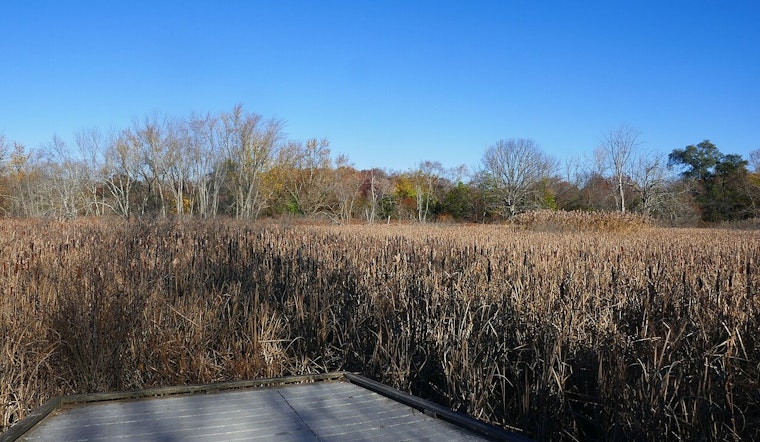
The City of Boston is set to see an ecological uplift as it receives a $400,000 climate resilience grant aimed to renovate the Mass Audubon’s Boston Nature Center wetland and Canterbury Brook. This grant, sourced from the Healey-Driscoll Administration's Municipal Vulnerability Preparedness (MVP) program, intends to improve stormwater storage capacity and mitigate flood risk within the watershed, as reported by the Boston government. Nick Gove, the Interim Chief of Streets for the City, highlighted the importance of strengthening flood storage to protect the transportation infrastructure under threat from severe storms.
According to the same Boston government statement, the grant will enable the City and its partners to not only begin to actively restore the brook and wetland complex but also to engage the community thoroughly, collect crucial data, investigate the site, and brainstorm design alternatives. Max Rome, the Director of the Office of Green Infrastructure, underlined the project's transformative potential, allowing residents to better access nature while boosting the area’s resilience against climate impacts.
The MVP program, since its inception in 2017, has been a boon for community-driven climate resilience, providing planning and action funding. Spanning nearly all of the Commonwealth’s cities and towns, the program has awarded over $210 million for local projects. The City of Boston is one among the 54 projects to have received funds in the latest round of grant applications, and its project with the Mass Audubon’s Boston Nature Center signals a significant stride in addressing the city’s identified climate hazards, as presented in their 2016 Climate Ready Boston report.
Historical concerns over Canterbury Brook, including the funneling of stormwater runoff, sediment build-up, and litter, aim to be addressed with this injection of funds. Jocelyn Forbush, Mass Audubon's Chief Conservation Officer, expectedly told the City of Boston about her team's gratitude and excitement at the opportunity to transition to a thriving ecosystem. Additionally, engaging with the local Mattapan community is a strategic priority for the project, said Emilia Dick Fiora del Fabro from the Charles River Watershed Association in a comment to Boston government. The aim is to shape this initiative in close collaboration with community-based organizations, schools, faith groups, and residents through various participatory forms.
Green Infrastructure (GI), comprising stormwater management using natural elements such as plants and soil, is a key part of Boston's strategy to combat flooding and environmental pollution. The Office of Green Infrastructure works across city departments to implement such features, aligning with the city’s goals for a more resilient, equitable, and greener Boston. Rome’s background includes a PhD in Civil and Environmental Engineering and extensive experience in river health and urban green infrastructure, highlighting the expertise guiding efforts to improve the city’s ecological health.





