

























































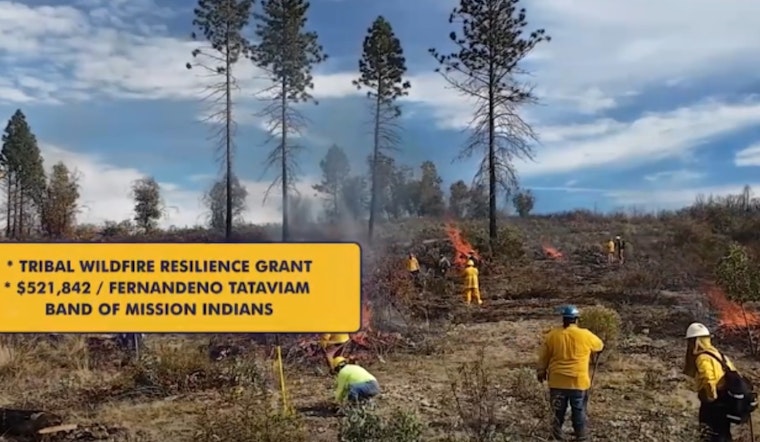
Cal Fire is leaning hard into wildfire resilience across Southern California, rolling out a flurry of projects that run from home hardening and fuel reduction to tribal partnerships and neighborhood-led prevention campaigns. Agency officials say this mix of tactics is already paying off by slowing fire spread, dialing down intensity and helping firefighters keep incidents from turning into the next regional disaster. The stepped-up push comes as state leaders rush more money and projects into at-risk communities.
In a short video posted Friday, Cal Fire stitched those efforts into a quick highlight reel, citing home hardening work, targeted fuel breaks, tribal grants and community prevention drives as examples of “measurable results” on the ground. The agency also points homeowners toward guidance at ReadyforWildfire.org. CAL FIRE highlights the work.
State Money and Faster Permitting
State officials say this acceleration is powered by new funding and trimmed-down approvals that can cut months or even years off project schedules. According to the Governor's Office, nearly $63 million in fresh Wildfire Prevention Grants went out last month, with about $10.3 million tagged for Southern California projects. The administration also points to a streamlined permitting track and new mapping tools that help steer work toward the places where it should matter most.
What Fuels Work Looks Like on the Ground
On the ground, that money translates into prescribed fire, mechanical thinning, strategic fuel breaks and roadside clearing. Officials say these tactics can take heat out of a fire and slow its advance so that crews have a fighting chance to protect homes and neighborhoods. As reported by Cal OES, dozens of fast-tracked projects in Southern California have already begun treating vulnerable corridors and communities. The state is also relying on LiDAR and other mapping tools to decide where those treatments will do the most good.
Tribes and Community-Led Prevention
Cal Fire says tribal partnerships and neighborhood-driven work are not side projects but core parts of the plan, backing everything from cultural burns and shaded fuel breaks to wildfire workforce training. The CAL FIRE’s Tribal Wildfire Resilience program offers grants for planning, prescribed fire and training, a setup officials say supports cultural practices while also improving safety. Officials likewise point to grant support for local fire-safe councils and community evacuation planning efforts.
What the Numbers Show, and the Questions
Officials lean on the numbers to argue the strategy is working. The Governor’s Office counts nearly 900 wildfire resilience projects completed across Southern California since 2021, along with thousands of defensible space inspections, and presents those figures as evidence of real progress. At the same time, reporting has raised questions about whether every dollar is landing in the highest-risk neighborhoods. A Los Angeles Times review found that some grants went to rural efforts while some high-risk urban pockets saw less funding. The data suggests meaningful movement, but local leaders say that how projects are prioritized and how transparent the process is will stay front and center as the work scales up.
How Residents Can Act
For individual homeowners, the frontline defense is still home hardening and defensible space. Those steps can cut ember exposure and give firefighters room to operate when a fire comes knocking. Cal Fire and its partners direct residents to ReadyforWildfire.org for practical checklists, retrofit tips and a one-hour starter plan. Local fire-safe councils and city or county programs may also offer matching grants or free inspections for homes in high-risk areas.
State officials say they expect the faster pace of work to continue this year as more permits clear and additional projects break ground across the southland. For now, they and local leaders frame a mix of funding, data-driven mapping and community action as the most realistic route to lowering wildfire risk for homes and neighborhoods.



