

























































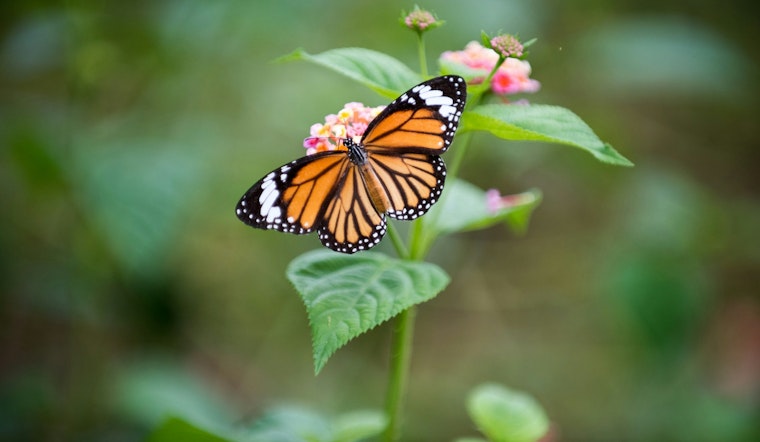
California’s western monarch butterflies are having a brutal winter. Early counts at coastal overwintering sites suggest the population could be among the lowest ever recorded, with organizers reporting only low thousands statewide so far and some groves turning up just a few stray wings. Biologists say the thin numbers raise the stakes for habitat work all along the coast, and the final statewide tally due later this month is expected to heavily influence the next round of recovery planning.
Early tallies show a worrying dip
Mid-season surveys have turned up roughly 8,000 monarchs across the western range, based on figures compiled by count coordinators and reported by SFGATE. Final results are slated for release in late January, and advocates are bracing for a number that could land uncomfortably close to the record low.
Local groves are nearly empty
In Goleta’s once-bustling Ellwood Mesa, city counters found only two monarchs during a mid-winter survey, according to the Santa Barbara Independent. Local researchers told KCBX that intense storms, heat during the breeding season and long-term habitat loss likely piled on to produce this year’s crash, with similarly depleted counts at other coastal groves.
Where this sits in the long-term trend
Western Monarch Count data show just how wild the swings can be. About 1.2 million butterflies were tallied in 1997, while the record low came in 2020 at roughly 1,901, and as recently as 2023 the count reached 233,394, according to the Xerces Society. Those boom-and-bust cycles mean rebounds are possible, but scientists say the long-term slide, driven by habitat loss, pesticide exposure and climate extremes, remains deeply troubling.
Federal protections are on the table, but delayed
The U.S. Fish and Wildlife Service proposed listing the migratory monarch as threatened under the Endangered Species Act in December 2024, and its species assessment warns that the western population faces an extremely high risk of extinction without intervention, according to the U.S. Fish and Wildlife Service. The agency’s rulemaking has been shifted into the Unified Agenda’s “long-term actions” category, a move that the Monarch Joint Venture says could push a final decision past the usual one-year window and slow the arrival of formal regulatory protections.
Scientists say there are concrete things people can do
Researchers stress that any real comeback will depend on coordinated habitat work along with action from private landowners and cities. The Xerces Society recommends planting pesticide-free native milkweed and nectar plants, cutting back on insecticide and herbicide use and backing community science and habitat restoration projects, according to the Xerces Society. As Xerces executive director Scott Black told SFGATE, “we need many, many, many more people in California and across the West to step up,” a pointed reminder that small backyard choices can add up across the landscape.
What to watch next
Final winter totals from the Western Monarch Count are expected later this month and will serve as a key data point for state conservation work and the federal listing process, according to the Western Monarch Count. In the meantime, conservationists say that even modest habitat gains, made without pesticides and coordinated across fences and property lines, are still the most immediate way for residents to tilt the odds in favor of monarchs.



