

























































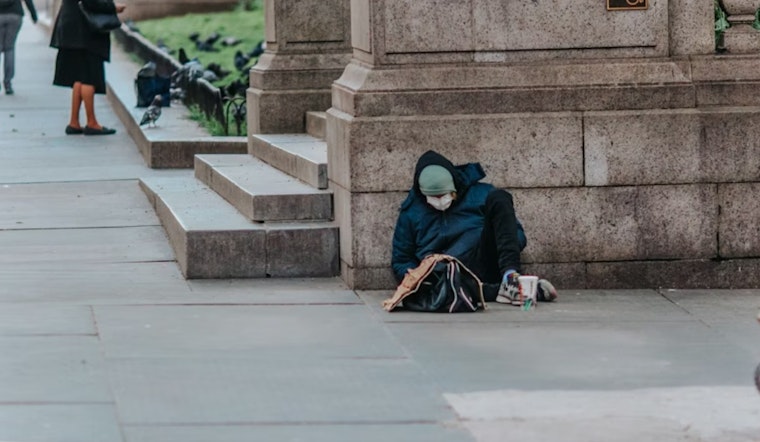
Nearly 300,000 California students were identified as experiencing homelessness during the 2024–25 school year, even as dedicated school funding for them shrinks instead of grows. These students graduate on time at far lower rates than their housed peers and face much higher chronic absenteeism and school instability, problems that compound as they get older. With one-time federal relief now exhausted, districts and advocates say the state’s proposed budget leaves too many of the most basic supports in limbo.
State data: counts, graduation and attendance gaps
According to state education records, 298,254 students were counted as homeless in 2024–25, and the vast majority, more than eight in ten, were doubled up with other families rather than in shelters. The four-year adjusted cohort graduation rate for homeless youth was about 76.1 percent, compared with roughly 87.5 percent statewide, and homeless students showed much lower school stability along with higher dropout and chronic-absence rates.
Federal EHCY dollars buy little per child
The federal Education for Homeless Children and Youth program brings California a relatively small pot of money, roughly $15.86 million in the latest allocation. Spread across the state’s identified homeless student population, that works out to only about fifty dollars per student per year. Federal rules and practice steer that money toward liaisons and limited supports, not the broader transportation, housing and wraparound services that districts say are actually needed. The federal allocation appears in a national funding table and analysis from SchoolHouse Connection.
What one-time pandemic money bought — and why it’s ending
Pandemic ARP-HCY relief brought about $98.8 million to California and allowed districts to hire liaisons, cover emergency motel stays, and upgrade data systems used to identify and stabilize students. Those one-time dollars have now been spent, and many districts report cutting back staff and services that were directly tied to attendance and graduation for homeless students. Reporting by EdSource found ARP-HCY reached roughly 92 percent of districts and detailed how those investments supported improved outcomes.
Local budgets and LCFF don't fill the gap
California’s regular funding rules under the Local Control Funding Formula also restrict how much is clearly targeted to homeless students. Researchers find homeless students show up in only a small share of district Local Control and Accountability Plans and account for less than 1 percent of planned LCFF spending statewide. As a result, many districts are stitching together Title I set-asides, local reserves and short-term grants to keep transportation, counseling and emergency housing afloat. An analysis from the Public Policy Institute of California details how planned LCFF expenditures fall far short of the scale of student need.
Advocates press Sacramento for a recurring fix
Advocates, including the National Center for Youth Law, are calling on the state to establish a recurring appropriation of about $15 million a year to help districts, on top of the relatively small federal funding stream. An opinion piece in the San Francisco Chronicle points out that the governor’s current budget proposal omits any dedicated statewide appropriation for homeless students, leaving that decision squarely with legislators this spring.
What this means for students and policy
Lawmakers now face a blunt choice: maintain the supports that helped stabilize students and bolster attendance and graduation, or allow those programs to wither as one-time funding disappears. State data from the California Department of Education underscore both how many students are at risk and the long-term costs of looking the other way.





