

























































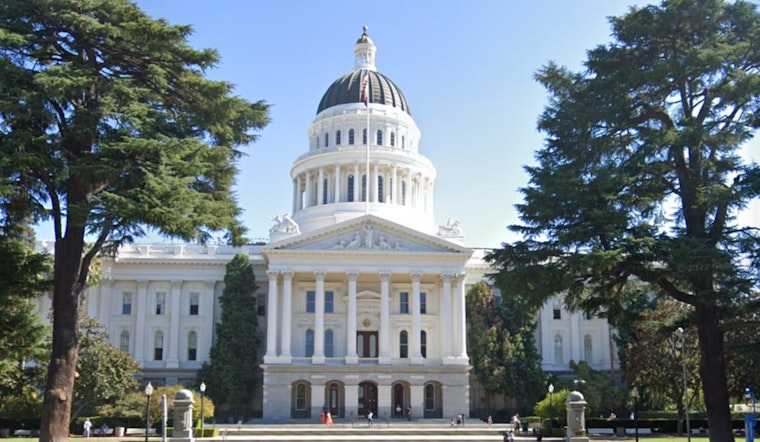
On the southwest lawn of the State Capitol on Tuesday, Assemblymember Rick Chavez Zbur rolled out a bipartisan proposal that could throw serious cold water on any move to flip former federal land in California into high-octane real estate. The measure, AB 1624, known as the Public Lands Protection Act, would automatically drop conservation-minded zoning on any federally owned parcel that gets sold or transferred inside state lines, according to supporters.
In a press release from Assemblymember Rick Chavez Zbur, the lawmaker pitched the bill as a backstop designed to “ensure that our most cherished landscapes are protected from speculative development.” He said the proposal is meant to keep treasured places intact “for future generations,” while still allowing projects that comply with existing state and local planning rules. Introduced last week, AB 1624 is being cast by its sponsors as a preemptive state response in case federal protections are rolled back and lands are privatized.
Environment California and Trout Unlimited are backing the bill and joined Zbur at the Capitol rollout. Environment California state director Laura Deehan pointed to Yosemite, Joshua Tree and the newly minted Chuckwalla national monument as marquee examples of what the legislation is meant to guard. Trout Unlimited’s California director Matt Clifford added that “there’s nothing liberal or conservative about protecting public lands.” As reported by The Sacramento Bee, supporters say they want California to have a firm land-use framework in place if Washington starts unloading federal acreage.
How AB 1624 Would Work
According to LegiScan, AB 1624 would add Section 65852.10 to the Government Code. Any parcel owned by the federal government that is transferred to a private or otherwise nonfederal owner on or after January 1, 2025 would be automatically placed under a conservation-focused zoning designation. Local governments could not rezone, subdivide or approve development that conflicts with that zoning unless a full environmental impact report is completed, the governing body signs off with a two-thirds vote, and permanent mitigation or offsets are locked in.
Why Lawmakers Say It Is Needed
Supporters say the bill is a direct answer to federal ideas floated last year that, in their view, could have opened the way to large-scale sell-offs of public land across Western states. Zbur and allied lawmakers argue that more than 250 million acres might have been in play if those concepts ever became policy. As detailed by The Sacramento Bee, sponsors contend that locking in state-level zoning would help keep landmarks like Yosemite, Joshua Tree and newly designated Chuckwalla out of the speculative-development pipeline. The recent national monument status for Chuckwalla was confirmed in a separate announcement by the U.S. Department of the Interior.
Backers also say timing is everything. AB 1624 was introduced on January 22, and sponsors intend to steer it through policy committees during the current legislative session. In a statement distributed by Assemblymember Rick Chavez Zbur, Assemblymember Jeff Gonzalez (R-Indio) argued that the proposal strikes a balance between local control and protections that “should be preserved for future generations.” In other words, cities and counties keep a say, but within a tighter lane when it comes to former federal land.
Legal Implications
If it becomes law, AB 1624 would declare the preservation of open space to be a matter of statewide concern, applying the policy to every city in California, including charter cities. Transferred federal parcels would immediately fall under state and local land-use rules, except in specific situations spelled out in the bill. The measure is framed as an urgency statute and includes carveouts for active operational facilities, military sites and lands held in trust for tribes. It also allows for electric infrastructure and clean-energy projects, but only under strict mitigation requirements.
As outlined by LegiScan, those provisions could significantly influence how counties and cities approach any future transfers of federal land. If Sacramento signs off, anyone looking to turn ex-federal acreage into the next big development will have to clear a much higher bar first.





