

























































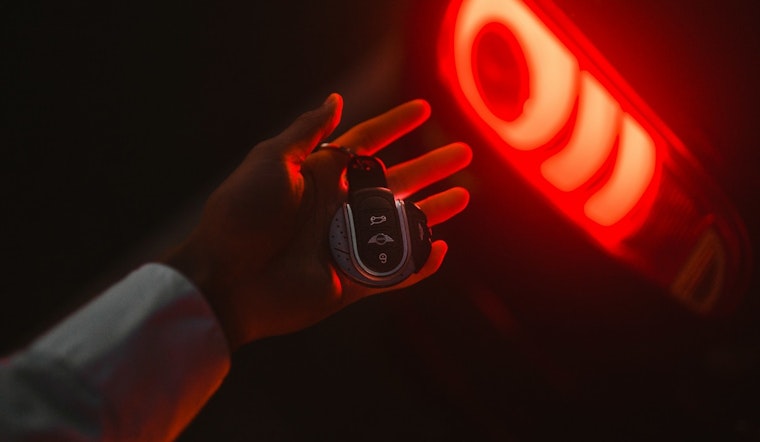
Chicago drivers are on alert as law enforcement flags a spike in car thefts that rely on small electronic gadgets to clone key fobs and spit out fresh, working keys in a matter of minutes. Investigators say the scheme is no longer limited to luxury rides and is increasingly being used on mid-range and everyday vehicles parked on city streets and in neighborhood lots.
Lt. Adam Broshous of the Illinois Secretary of State Police said the Chicago area has seen key fob cloning for roughly a decade, but the tactic has become far more common in the last few years. Once thieves get inside a vehicle, he said, they can program a new key fob in about one to two minutes. Broshous also told reporters that offenders are testing devices that capture the radio signal from a legitimate fob and reuse it to unlock and start cars. According to FOX 32 Chicago, investigators have been seizing key programmers and tracking stolen vehicles by pulling data off those devices.
How Thieves Do It: Two Quick Ways They Get In
Investigators describe two main tactics. In one, a thief breaks a window, reaches the on-board diagnostic (OBD) port, and plugs in a key programmer that writes a brand new fob. In the other, criminals pull off a relay or signal capture attack that convinces the vehicle a legitimate key fob is nearby, even when it is sitting safely inside a house or purse.
Local demonstrations have shown key programmers can spit out a working key in under a minute, and industry researchers note that online tutorials and cheap aftermarket gadgets have helped spread the method. Reporting from Milwaukee has detailed how both OBD programming and signal capture attacks have taken off on the internet; see WISN 12 News for specific case examples. A recent industry analysis from Upstream Security maps the same trend across global car theft data.
What Police Are Telling Drivers
Police are sticking with some old-school advice for a very high-tech problem. They recommend parking in a garage when possible or at least in well-lit spots, keeping key fobs away from doors and windows at home, and using signal blocking pouches, often called Faraday bags, to make it harder for thieves to capture a fob’s signal.
Officers have also warned about robberies targeting mobile locksmiths and the theft of legitimate programming gear that can be turned into a car theft toolkit. Per FOX 32 Chicago, task forces such as the Illinois Statewide Auto Theft Task Force (ISATT) are increasing seizures of these devices and ramping up prevention work around the region. Statewide grant summaries from the Illinois Secretary of State’s office note that Illinois has been steering grants and resources into specialized auto theft units.
Buying Used? Check the VIN and the Title
Because stolen cars can be moved across state lines and quietly resold, officials say anyone shopping for a used vehicle should run a VIN check and read a full vehicle history report before handing over cash. Free tools like the National Insurance Crime Bureau’s VINCheck and NMVTIS-approved history reports can flag salvage brands, theft records or title problems that often show up when someone is trying to hide a crime.
NICB's VINCheck lets buyers see whether a vehicle has been reported stolen or declared a total loss by participating insurers, giving consumers at least a chance to spot red flags before a bad deal is done.
What This Means Going Forward
Security analysts say the trend is part of a larger cat and mouse game between automakers and organized theft rings. Car companies keep upgrading key security, while how to videos and inexpensive tools help spread the latest workarounds to more criminals.
The Upstream Security 2025 report notes that remote key vulnerabilities and public tutorials have sped up these attacks, which means owners need to treat keyless convenience as a potential risk and layer on basic protections now. According to the report, the technology is not going away, so simple habits like careful parking, smart key storage and basic signal blocking may be the difference between keeping a car and filing a police report.





