

























































George Armoyan’s Clarke Inc. has quietly pulled off a power move in Chicago’s office market, consolidating control of several Loop-area properties after a rapid restructuring that wiped out major loans and left at least one tower operating with no mortgage at all. The transaction mixes distressed-debt buys with a corporate arrangement that shifts ownership of three buildings to a deep-pocketed investor. For tenants and brokers, that translates into a landlord who can cut sharper deals on rent and concessions than heavily leveraged competitors.
How the takeover came together
The deal stems from a March arrangement that valued Ravelin Properties at about $1.1 billion, including assumed debt, according to The Real Deal. That agreement followed months of boardroom infighting and mounting loan defaults at the Toronto-listed REIT, setting off a series of special meetings and a court-approved timetable to get the plan over the finish line. Clarke cast the arrangement as a way to steady the portfolio and chase leasing and repositioning plays instead of fighting with creditors.
Defaults, forbearance and the vote path
Ravelin’s investor disclosures underscored how tight the squeeze had become. The REIT flagged widespread covenant breaches, specific forbearance deals with Armoyan’s G2S2 vehicle, and the risk that secured lenders could start enforcing on collateral if a recapitalization failed. Ravelin Properties REIT told unitholders the arrangement was being offered as an alternative to insolvency, with the transaction timeline designed to avoid a chaotic restructuring. The company lined up special meetings and sought interim court orders to keep options alive while securityholders cast their votes.
Armoyan’s big Chicago bet
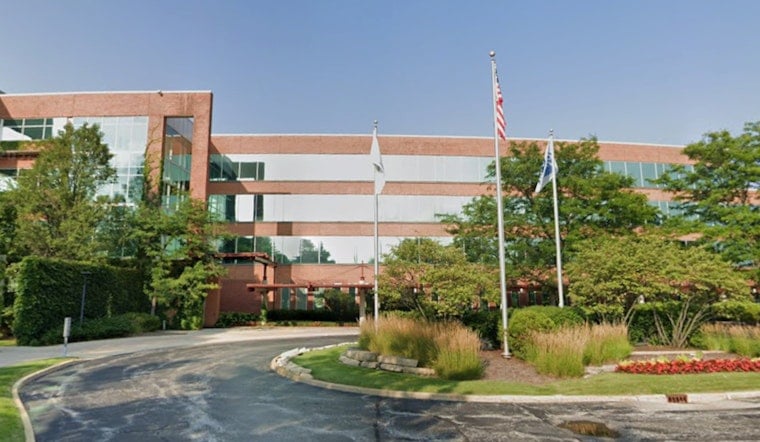
The takeover effectively pulled three Chicago-area assets, 120 South LaSalle, 20 South Clark and 275 North Field Drive, into Clarke’s orbit. Reporting indicates Armoyan’s G2S2 Capital bought roughly $430 million of Ravelin’s distressed debt and acquired the loan note on 120 South LaSalle from CIBC, with about $84 million still outstanding on that note. Those moves allowed Clarke to assume ownership and, in the case of 20 South Clark, run the property without mortgage debt. The Real Deal also reported that 20 South Clark and 275 North Field were only about half leased earlier this year, a vacancy profile that helps explain why a cash-backed owner might push especially hard on rent deals to fill space.
Why debt-free buildings matter now
Owners that manage to clear their mortgages gain leeway to undercut rivals with steep concessions or heavily tailored lease structures, a critical edge when tenant demand is sluggish. National reporting shows lenders have grown more willing to sell or write down troubled commercial real estate loans, creating an opening for investors with strong balance sheets who can acquire debt at a discount and then compete on flexibility instead of on financing. Bloomberg has tracked how this shift is reshaping landlord strategies across U.S. office markets.
Ravelin’s securityholders signed off on the arrangement in late May, and the Ontario Superior Court issued a final order clearing the way for the deal to close and for the REIT’s securities to be delisted, according to company filings. Ravelin Properties REIT said the arrangement was expected to become effective around May 29. For Chicago’s Loop, Armoyan’s maneuver is one more sign that in the current office shakeout, capital strength, not just leasing hustle, is deciding who ends up owning the skyline.





