

























































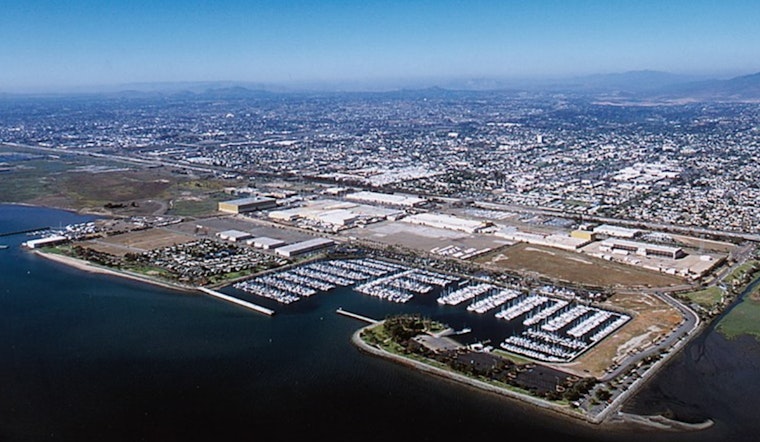
A development team pitching a sprawling, tennis-first sports and entertainment district on Chula Vista’s bayfront has scored a six-month exclusive negotiating window with port officials, but there is a catch: they have to lock in an elite professional tennis player by July or risk losing the deal. The proposal, called Pangaea, covers roughly 124 acres in the Otay District at the former South Bay Power Plant and would revolve around a stadium court ringed by dozens of additional courts and support facilities. Port commissioners voted unanimously to approve the short-term deal so staff and the developer can run due diligence while the site is effectively taken off the market.
According to The San Diego Union‑Tribune, the exclusive negotiating agreement gives the Pangaea team until July 1, 2026, to hit six major milestones, including a market-demand study, a preliminary project description and land-use plan, a project labor agreement and a public-outreach program. The agreement also requires proof, in the form of a nonbinding letter of intent, that an elite professional athlete has committed to anchor the tennis center. If the developer delivers on those early promises, the board can extend the deal by up to two years.
What Pangaea Would Include
The concept envisions a central stadium court with as many as 18,000 seats, surrounded by 34 additional courts for training and competition, plus hotels, retail, office space and close to 65 acres of open space. As outlined by CoStar, project documents describe roughly 1.4 million square feet geared toward sports and wellness uses, about 300,000 square feet of retail and several hundred thousand square feet of hotel and office space, along with entertainment anchors such as an IMAX theater and a PopStroke mini-golf venue. The mix is being sold as a natural sidekick to the nearby Gaylord Pacific resort and as a way to keep visitors flowing into the South Bay year-round.
Who's Behind The Pitch
The Pangaea team lists the Divaris Group and its McGarey Group subsidiary as lead developers, working alongside Tucker Sadler Architects and Provident Resources Group. As shown in materials from Tucker Sadler Architects, the early renderings feature a Latin-quarter-style retail spine, a central festival plaza and a tennis campus set across from a reimagined watershed area.
Public Reaction And Concerns
Port staff told commissioners the proposal could turn long-idle bayfront land into a hub for jobs and tourism, while tapping into local interest in tennis and other racket sports. Some speakers, though, urged the board not to out-serve environmental concerns, raising questions about habitat disruption and light spillover. KPBS reported that preliminary market research found South Bay residents are demographically inclined to both play and watch tennis, while local conservation groups warned that the project could affect wetlands and water quality if the design is not handled carefully.
Next Steps And Timeline
As reported by CoStar, port staff will now draft a formal exclusive negotiating agreement that locks in the developer’s commitments, and the Pangaea team will use the six-month window to solidify partners and technical studies before returning to the Board of Port Commissioners for further direction. The Port’s planning materials note that major changes to the Chula Vista Bayfront would require a Port Master Plan Amendment and a full environmental review, and could also need state-level permits such as approvals from the California Coastal Commission before any construction begins, a sequence that typically stretches timelines far beyond the initial negotiating period (Port of San Diego).
For now, Pangaea’s future rests less on flashy renderings and more on whether the developers can sign a marquee tennis partner and make a convincing market and environmental case to regulators by July. If the team shows clear progress, the Port could move into deeper negotiations and consider extending the agreement. If not, the land could go back on the market for other ideas. As noted by The San Diego Union‑Tribune, the key deadline to demonstrate measurable progress is July 1, 2026, when staff and the developer are expected to report back to the Board.





.jpg)