

























































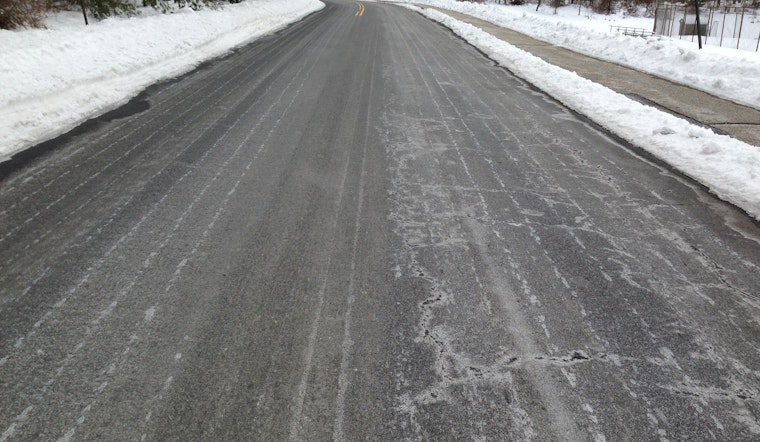
Clayton Public Works' latest strategy in battling light snowfall and icy conditions on its streets is drawing attention for its eco-friendliness. The city has adopted the use of salt brine, a liquid form of traditional rock salt (sodium chloride), for their winter road treatments, according to the city's official announcement. The approach is not only more efficient but also less invasive to the surrounding environment.
The advantage of salt brine lies in its immediate action, adhering to pavements and avoiding the scatter that is typical of dry rock salt. It has been noted that one application of brine can melt up to an inch of snow under light conditions and continue working for as long as three days—far outlasting the effects of rock salt which, typically loses its punch under 12 hours amidst the usual Clayton road traffic.
With a lower environmental footprint, salt brine helps reduce the amount of total salt that runs off into soil and streams, a perk that's indicative of Clayton Public Works' push towards greener solutions. For residents interested in adopting a similar approach, the same principles can be used for residential snow and ice removal, albeit on a much smaller scale.
For those prepping ahead of snow or ice, salt brine is recommended when temperatures are expected to stay above 15°F and no rain is forecasted. The brine creates a barrier that prevents ice or packed snow from bonding to the pavement, according to the official statement from Clayton's announcement. Meanwhile, in the cases of post-treatment on existing ice, rock salt remains the more suitable option, though it requires some liquid to activate, and is markedly less effective below the 15°F mark.


