

























































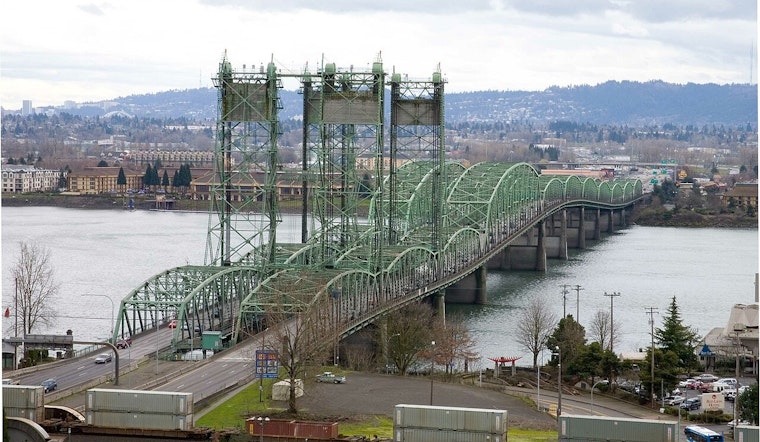
The U.S. Coast Guard has advanced the effort to modernize the vital Columbia River crossing by officially sanctioning a fixed-span bridge to replace the antiquated Interstate 5 connection between Portland, Oregon, and Vancouver, Washington. The projected 116-foot-high construction is poised to supplant the current drawbridge, with the aim of easing travel and bolstering economic flow. KATU News reported that Oregon Governor Tina Kotek heralded the decision as a step towards a "safer, multimodal river crossing and corridor that will serve both states for generations."
In a bid to realize a bridge that faithfully serves the region's needs without undue hindrance, the IBR program proposed the fixed-span design, aiming to sufficiently serve over 99% of river traffic. Despite the Coast Guard's initial stipulation for a 178-foot-high bridge, local decision-makers and the maritime community backed the lower-profile design. According to testimony acquired by The Columbian, U.S. Senator Maria Cantwell emphasized the fixed-span bridge's potential to eradicate the only stoplight on Interstate 5 and mitigate commute disruptions.
Moreover, regional actors, including elected officials and business representatives, openly lauded the Coast Guard's approval. Washington Governor Bob Ferguson was quoted by Z100 Portland praising the choice as "the right decision for our economy, and for commuters who use this bridge every day."
Nevertheless, not all were in favor of the proposed height. Among the detractors, Republican state Rep. John Ley expressed dissent, as obtained by The Columbian, stating his opposition to the clearance of 116 feet and advocating for adherence to the previously stipulated requirement of 178 feet. Fears over maritime and economic impacts inform such opposition, though these concerns represent a minority in the broader conversation.
The Coast Guard's nod allows the IBR Program to now finalize its cost estimate and schedule, steering closer to the construction phase. This action also cues the selection process for a final design and the search for a construction contractor. With an aging bridge that poses risks in the event of a major earthquake, the urgency to modernize is underscored not just for immediate convenience, but for long-term resilience and safety as well.





