

























































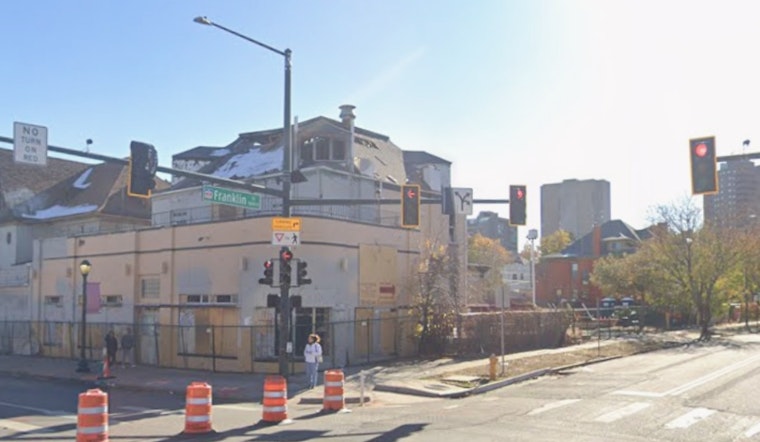
The long-vacant mansions at 1600 and 1618 E. Colfax Ave. finally came down on Thursday, ending years of neighborhood drama over two crumbling but historic fixtures in Denver’s Wyman Historic District. Their demolition closes a bruising battle between preservation advocates and the property’s owner over safety problems, blight, and whether anyone could realistically afford to bring the century‑old buildings back to life.
By Thursday morning, the teardown was nearly complete, with crews pulling apart the fire‑blackened façades and hauling away debris, according to BusinessDen. The outlet reported that one of the connected buildings was heavily damaged in a March 2024 fire and that the demolition followed months of hearings and appeals.
The mansions, along with the sizable rear lot, belong to Denver developer Pando Holdings, which bought the property for about $3.2 million in 2017. The company once floated a plan to restore the historic homes while adding a seven‑story apartment building behind them, according to Denverite. That proposal stalled as construction costs surged during the pandemic and tenants moved out of the ground‑floor storefronts, leaving the buildings boarded up and increasingly vulnerable to repeated break‑ins.
In December 2024, Denver’s Landmark Preservation Commission approved an economic‑hardship finding that cleared the way for demolition after reviewing financial estimates that showed rehabilitation would far exceed any reasonable return, CBS Colorado reported. The ruling split preservationists and neighbors, some of whom argued the decaying structures had crossed the line from historic assets to public‑safety headaches.
Preservation advocates countered that the decision weakens protections for designated landmarks and accused the owner of allowing the mansions to deteriorate. Historic Denver called for tougher enforcement along with more robust incentives, including tax credits, to keep other historic properties from meeting the same fate.
At public hearings, neighbors described the boarded‑up homes as a "magnet for crime," while Pando executives testified there was a "non‑stop pattern" of trespassing, break‑ins, and camping on the lot, according to BusinessDen. The outlet also noted that the developers did not respond to requests for comment and have not filed any new development plans to replace their earlier proposal.
What’s next for the lot?
With the hulking structures gone, the immediate safety issues are largely cleared, but any future project on the site will have to navigate Denver’s permitting maze. A rebuild will require multiple approvals and permits, and the city’s demolition rules mandate asbestos notifications, neighbor notices, and inspections before a final permit is issued, according to Denver’s guidance on demolition permits. The City and County of Denver outlines the steps and timelines for those reviews.
Legal and regulatory background
The economic‑hardship path used by the owner allows the Landmark Preservation Commission to weigh contractor estimates, appraisals, and potential market value when restoration would otherwise be required, a calculation that played out in detail during the December hearings and drew scrutiny from preservation groups, as reported by CBS Colorado. Critics argue that without stronger enforcement and better incentives, the standard risks rewarding neglect.
For many neighbors, watching the decaying mansions come down is a relief. For preservationists, it is another piece of Colfax history gone. What happens on the now‑empty lot will feed into a broader fight over how Denver manages growth, affordability, and the character of its historic neighborhoods.





