

























































Dallas women are not slamming the door on artificial intelligence in the mammography suite, but they are making one thing crystal clear: a machine does not get the last word. In a survey of nearly 1,000 Dallas-area patients, women were generally fine with AI helping read their mammograms, as long as a human radiologist ultimately signs off on the results.
Researchers at the University of Texas Southwestern Medical Center asked women at both their academic hospital and Parkland’s safety net clinic how they felt about instant AI reads, data privacy, and consent. The overall vibe was cautious optimism, with a strong preference for AI as an assistant, not a stand-in.
Study Of 924 Dallas Patients
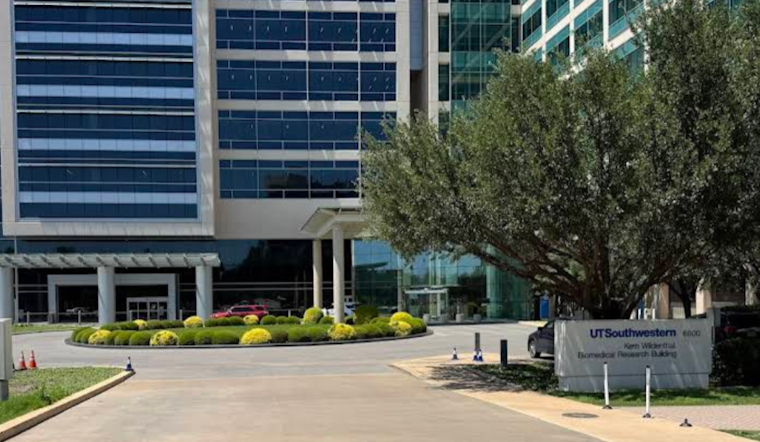
According to a press release on Tuesday from UT Southwestern, the research team surveyed 924 women who received mammograms at William P. Clements Jr. University Hospital and Parkland Health. Of those patients, 71.5% said they supported using AI to assist with interpretation as long as a radiologist was still overseeing the read. Only 6.6% were comfortable letting AI act as the sole reader, and nearly 60% said they would prefer to wait hours or even days for a radiologist’s interpretation rather than accept an immediate AI-only result.
Published Research And Key Findings
The full study appears in Breast Cancer Research and Treatment, where the authors frame it as a side-by-side look at attitudes in academic and safety net settings. In that paper, 84% of respondents said they wanted a radiologist to review any abnormality that AI flagged. By contrast, only 44% supported AI re-reading a finding that a radiologist had already identified. More than 80% of participants reported worrying about at least one potential problem, including data privacy, bias, or accuracy.
Consent, Trust And Racial Gaps
Transparency came through as a non-negotiable theme. About 73.8% of women in the survey said they believed they should be told or asked for consent if AI is used in reading their mammogram. The study also found that non-Hispanic Black participants were less likely to accept AI and more likely to report privacy concerns.
Coverage in Becker’s Hospital Review and other outlets noted that women who already knew something about AI tended to be more comfortable with it. In other words, education and familiarity seemed to boost acceptance.
“This is the first study to measure patient perspectives on AI in mammography in different hospital settings,” lead author Dr. Basak Dogan said in the UT Southwestern news release, pointing to the role of demographic and socioeconomic factors in shaping trust. Co-author Dr. Emily Knippa urged clinicians to explain clearly how AI is being used, obtain patient consent, and build in strong data privacy safeguards.
How AI Is Being Used Locally
Local coverage reports that the health system began weaving AI tools directly into radiologists’ workflows in early 2023. AI outputs now appear alongside mammogram images in the picture archiving and communication system, with general consent language added to patient forms.
Dallas Express and other local write-ups report that the move builds on older computer-aided detection tools but relies on deep learning models that may reduce false alarms and unnecessary callbacks.
What Patients Should Know
For Dallas patients, the bottom line is straightforward: AI may help catch potential issues more consistently, but most women in this study still want a radiologist to review any flagged findings and to be told when AI is part of the process. Researchers and clinicians argue that clear communication, culturally sensitive outreach, and robust privacy protections will be crucial for winning broader trust across diverse communities, as highlighted in coverage by ASCO Post.



