

























































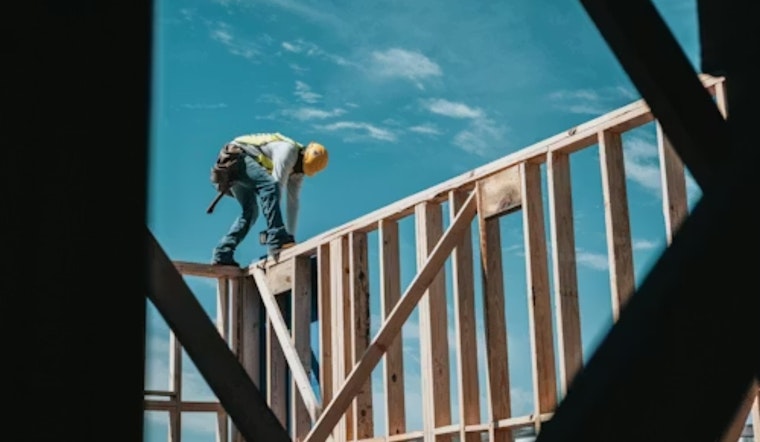
Dallas-Fort Worth signed off on more new home permits than any other U.S. metro in 2024, with local governments greenlighting roughly 71,788 units across the region. The tally covers single-family homes, apartments and condos, marking a major year for builders from far-flung suburbs to tight city infill sites.
That total comes from an analysis of U.S. Census and Zillow data assembled by Construction Coverage, which ranked Dallas-Fort Worth first among major metros for total housing permits in 2024. The report treats all housing types the same in its permit count, offering a broad snapshot of where new rooftop approvals actually landed.
DFW edged out Houston, which approved about 65,747 permits in 2024, and New York City, which logged roughly 57,929 authorizations, according to CultureMap Dallas. Other Texas metros were busy too, with Austin recording about 32,294 permits and San Antonio tallying roughly 14,857.
How DFW Stacks Up
On a per-existing-home basis, DFW issued about 22.2 permits per 1,000 homes in 2024, the third-fastest pace among large metros behind Raleigh and Austin, according to Construction Coverage. That pace shows builders still moving aggressively in North Texas even as permitting cools in other parts of the country.
Shortage And Affordability
Even with the permitting surge, analysts say the region still has a long way to go to close its housing gap. Zillow estimates the Dallas metro faced a deficit of roughly 49,204 units. Zillow's analysis compares the units available for sale or rent to the number of households, underscoring why sheer volume does not automatically translate into affordability.
On the ground, the picture is mixed. Local reporting notes that about 65% of the Dallas-area authorizations were for single-family homes and that the metro's median sales price hovered just over $377,000. As The Dallas Morning News reported, that split means many renters and first-time buyers are not guaranteed relief even while construction continues.
Policy choices will help determine whether the new supply broadens options or piles up at higher price points. Decisions on permit fees, zoning and municipal-utility-district approvals can steer the mix of product toward more multifamily projects or keep it heavily weighted toward single-family. Officials and developers will be watching whether the 2026 pipeline shifts toward more rental and "missing-middle" projects that could help close the deficit.





