

























































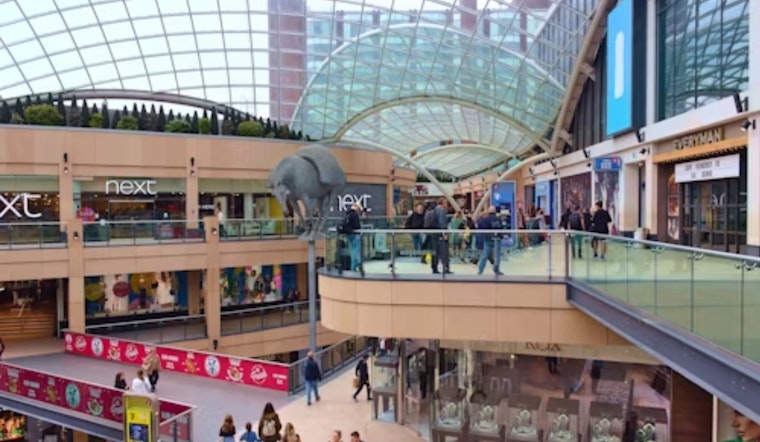
Shopping malls, once bustling hubs of retail and social activity, are grappling with the seismic shifts caused by the ever-expanding universe of e-commerce. This transformation of consumer habits has compelled a closer examination of how these behemoth complexes are holding up in a digital age. In an insightful piece by the Financial Times, the publication explored the evolution of shopping malls and the challenges they face today.
The heart of the traditional mall model, as explained by Carl Goertemoeller, executive director of the University of Cincinnati Real Estate Center, hinged on drawing crowds with large anchor department stores. These big-name retailers were lured with deals too good to ignore, "There are plenty of instances where developers would give [department stores] the land for a dollar, and would even improve the land, would even build the parking for them, put in all of the improvements, basically give them everything," according to UC News, Goertemoeller disclosed in a statement obtained by the Financial Times. This strategy that once fueled bustling corridors between the department stores is now under duress, as e-commerce reshapes consumer shopping behaviors.
The era where developers could bank on the pull of department stores and monetize the smaller retail spaces sandwiched between these giants is waning. Online shopping has not just altered where people buy, but it has also redefined the overall shopping experience, pressuring malls to reinvent themselves or face obsolescence. As big box stores face closures, the once-thriving mall ecosystems must contend with an uncertain future.
While no one can predict the exact fate of shopping malls, it's clear that adaptability will be crucial. For some, this may mean a pivot towards experiences that can't be replicated online, such as entertainment, dining, and specialty services. The Financial Times article highlights a critical junction for commercial real estate, with developers and retailers alike pondering an array of survival strategies. As Goertemoeller told the publication, the business model was straightforward for developers in bygone years, "The developer made his money leasing the small shop space in between the department stores," according to UC News. Whether such simplicity can be rediscovered in an era of digital dominance remains to be seen.
For an in-depth look at the changing landscape of shopping malls vis-à-vis e-commerce, the Financial Times offers a compelling analysis. By examining the past business models and the pressing need for adaptation, it casts light on the intricate challenges these retail spaces confront in a world that increasingly opts to click rather than stroll. For more information on this issue, readers can review the article in full at the University of Cincinnati's News website.





