

























































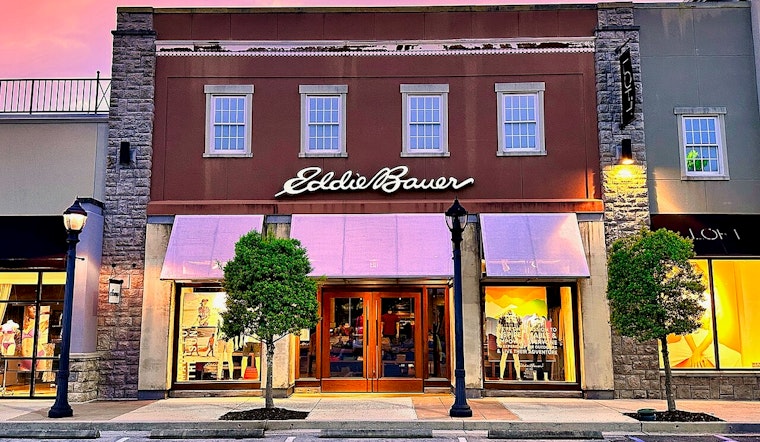
Eddie Bauer has trimmed staff at its Seattle corporate office, cutting into creative and marketing teams and stirring fresh questions inside the building and around the industry about where the storied outdoor brand is headed next. For a company so closely tied to the Pacific Northwest, even targeted reductions in its home city with extra force.
As reported by the Puget Sound Business Journal, the latest round of cuts began on Wednesday, Jan. 14, and included members of Eddie Bauer’s creative and marketing groups in Seattle. According to the outlet, the move is part of a broader downsizing effort that has reached other departments in recent weeks. The Business Journal did not report a total headcount for the layoffs, which leaves the scale of the reductions an open question.
Ownership shifts and cost pressure behind the cuts
Eddie Bauer has cycled through several ownership and portfolio shifts in recent years, a pattern that tends to bring new cost targets and fresh scrutiny to payrolls. The creation of a larger retail umbrella under the Catalyst Brands consolidation and the involvement of groups such as Authentic Brands and SPARC have reshaped how the label is managed. Those kinds of arrangements often centralize staffing and budget decisions across multiple portfolio brands, which can eventually filter down to local offices like Seattle.
Seattle footprint and local impact
Eddie Bauer traces its roots to the Pacific Northwest and still maintains corporate functions in the Seattle area, so changes to local teams ripple through the region’s already tight retail and design job market. The company is listed as headquartered in Seattle, according to Wikipedia, which means reductions in creative and marketing roles represent a loss of homegrown expertise that supports product launches and consumer-facing storytelling. Recruiters and rival brands in the area are likely to keep an eye on where displaced staff land, whether at agencies, competitors or elsewhere in the sector.
Legal thresholds to watch
Federal law sets specific triggers for when companies must warn workers about major layoffs. Under the WARN Act, employers with 100 or more employees generally have to provide 60 days' notice when a plant closing or mass layoff will affect 50 or more workers at a single site, according to the U.S. Department of Labor. Because public reporting has not disclosed a precise number for the Seattle cuts, it is not yet clear whether those thresholds are met. If they are, affected employees or local officials could look to the WARN statute for potential remedies.
What to watch next
In the near term, the key signals will be whether any formal WARN notices or state filings surface, how the company updates its public messaging and if layoffs extend beyond creative and marketing into other functions. The Puget Sound Business Journal has characterized the reductions as part of a broader cost-cutting push, and more detail could emerge if the owner consolidates roles or shifts work away from Seattle. Hoodline will continue to track filings and company statements and update coverage as additional information becomes available.





