

























































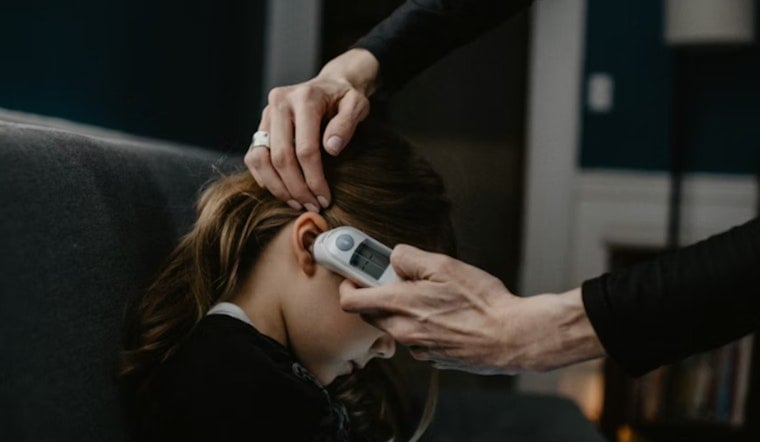
What started as a holiday flu for 3-year-old Nayah Kessler of Georgetown in El Dorado County turned into a rare inflammatory crisis that left her wobbling instead of walking. Doctors diagnosed Kawasaki disease, treated her in the hospital, and say she now faces physical therapy along with repeated cardiology follow-ups. Her family is warning neighbors that what looks like a routine cold can escalate quickly and dangerously.
Hospital course and diagnosis
Nayah first showed symptoms on Christmas and was hospitalized for nearly a week, the family told KCRA. Clinicians at UC Davis Health diagnosed Kawasaki disease, an inflammation of blood vessels that can affect the heart, and the family says she lost some of her ability to stand or walk while she was sick. Scans on her heart were described as reassuring, but doctors still expect ongoing cardiology monitoring and rehabilitation.
Subclade K is driving this season
Federal surveillance shows H3N2 viruses are now the dominant influenza A subtype and that most genetically characterized H3N2 samples belong to the subclade K lineage, according to the CDC. Coverage and analysis from national outlets report that subclade K emerged after vaccine strains were selected this year, leaving the seasonal shot only a partial match and helping explain the post-holiday surge in cases, as explained by STAT. That spike in infections has translated into higher pediatric hospitalization rates in many parts of the country.
Vaccination and early treatment still help
Even when the vaccine is not a perfect match, physicians emphasize that flu shots lower the risk of severe illness and death and remain worth getting. Fact-checking coverage has repeated that message and urged people not to skip vaccination, as noted by PolitiFact. Clinicians also point out that antiviral medicines still work against subclade K when started early, which is why quick testing and treatment can be crucial for high-risk children.
Know the warning signs
Kawasaki disease often starts with several days of high fever and can be accompanied by red eyes, rash, swollen hands or feet, cracked lips, and a strawberry-like tongue. Early treatment reduces the risk of coronary artery damage, according to UC Davis Health. Typical care includes intravenous immunoglobulin (IVIG) and close cardiac monitoring, and children diagnosed with Kawasaki disease require follow-up echocardiograms and cardiology visits. Parents are urged to seek medical care if a young child has persistent high fever, extreme lethargy, or new weakness or difficulty walking.
The Kessler family told KCRA they expected to head home Wednesday and urged other parents not to shrug off concerning symptoms. “It’s not just a cold - it can put your life at risk,” Nayah’s mother said in the interview. Health officials continue to recommend seasonal flu vaccination for everyone 6 months and older and rapid evaluation for sick children.



