

























































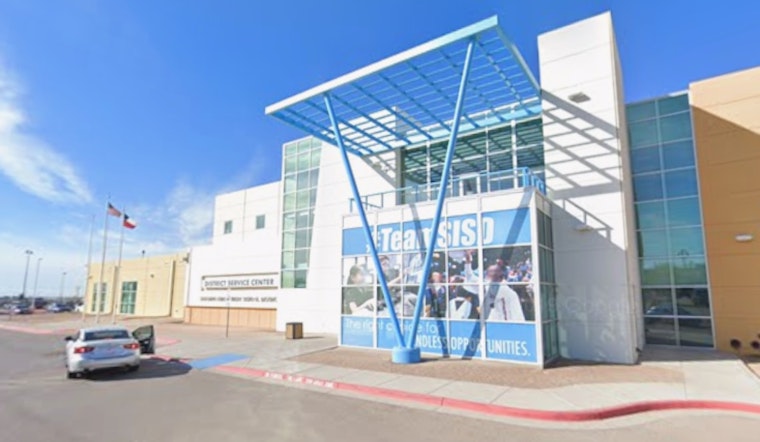
In a region where teens are practically glued to their screens, Socorro Independent School District says the new statewide cellphone ban is off to a surprisingly smooth start. District officials report just 21 infractions so far among nearly 46,000 students. Teachers and administrators say classrooms feel noticeably less distracted, even as some parents remain uneasy about how to reach their kids during an emergency. The rule, which kicked in for the 2025–26 school year, leaves much of the enforcement up to local school boards, and that’s where the differences start to show.
Assistant Superintendent Enrique Herrera called the rollout "mostly positive" and told local reporters that "teachers were competing with really what’s on social media," using the 21 recorded infractions to underscore how quickly students seem to be adjusting, as reported by KFOX14/CBS4. Parents interviewed by the station were split: one said she did not agree with the ban because she would want to be able to reach her child if "someone is saying, Hey, I'm in trouble," while another focused on peace of mind, saying simply, "I would like to know that my child is okay."
How the statewide ban works
State lawmakers approved House Bill 1481 to curb student use of personal communication devices during the school day, while giving districts leeway on how to put the rule into practice. The Texas Education Agency has issued implementation guidance and model policy language for districts to adapt, according to the Texas Education Agency, and the bill text posted on the Texas Legislature’s website outlines which devices are covered and spells out narrow exemptions tied to IEPs, 504 plans, and documented medical needs. For the statutory language itself, see House Bill 1481.
Districts are taking different approaches
Across Texas, districts are interpreting the law differently. Some campuses have adopted strict bell-to-bell bans, while others allow limited, supervised use during lunch or to facilitate emergency contact. In El Paso, Socorro ISD’s guidance bars device use throughout the entire school day and outlines confiscation procedures and progressive discipline, according to local coverage via KTSM. Nearby Ysleta ISD has rolled out a "Distraction-Free" plan that permits certain supervised access and includes a lunch period window for high school students, according to the district’s announcement.
Independent data places Socorro’s enrollment at about 47,200 students, which helps explain why 21 infractions represent only a tiny slice of the overall student population, according to the Texas Tribune.
Evidence and the tradeoffs
Research suggests that schoolwide cellphone bans can yield modest academic gains in some settings, with the biggest benefits often showing up among lower-achieving students. Outcomes vary by school and by how strictly the rules are enforced, but one influential analysis found a small yet measurable bump in exam scores after bans were introduced, pointing to reduced distraction as a likely factor in improved classroom performance. For the academic evidence, see the study by Beland and Murphy in Labour Economics.
Legal notes
House Bill 1481 authorizes districts to restrict student use of personal communication devices and allows schools to confiscate those devices when policies are violated. The statute also permits districts to dispose of unclaimed devices after parents receive written notice. Both the law and the TEA implementation letter outline timelines for adopting local policies, required exceptions for special education or documented medical needs, and procedural steps for boards and campuses. For the precise statutory wording and administrative details, families and staff are directed to the bill language and TEA guidance.
So far, Socorro’s low infraction count has encouraged supporters who hope the law will cut down on in-class distractions, even as mixed reactions from families highlight the balancing act between safety, access, and learning. Parents who want the fine print for their child’s school are urged to review their district’s posted policy, such as Socorro ISD’s public notices, or consult the TEA implementation guidance for a statewide overview.




