

























































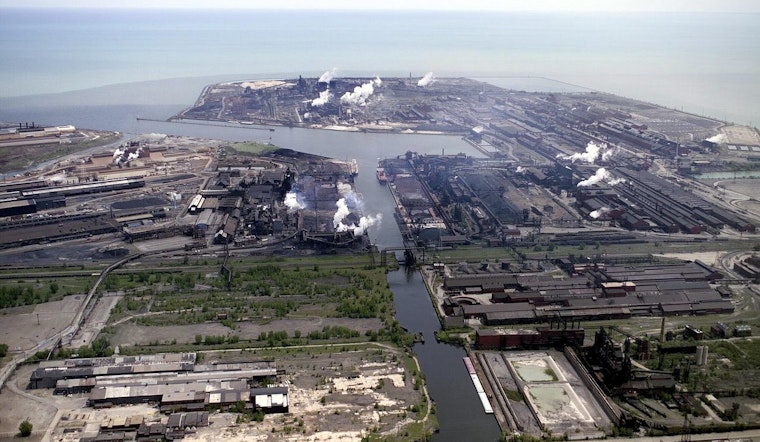
The Grand Calumet River, long written off as one of the Great Lakes region's most toxic waterways, is finally getting a major federal cash infusion. The U.S. Environmental Protection Agency has signed a project agreement committing more than $200 million to new cleanup work in Northwest Indiana, targeting a stretch that has been a sore spot for East Chicago and Hammond for decades.
According to a Jan. 22 press release from the EPA, the plan covers roughly 100 acres of river and canal, where crews will dredge and cap contaminated sediment. The work aims to remove upwards of 240,000 cubic yards of polluted material from the Lake George Canal area and the Junction Reaches, which officials have repeatedly described as among the most contaminated segments in the entire Great Lakes system.
The agency is teaming up with Atlantic Richfield Company, BP Products North America Inc., and the East Chicago Waterway Management District on two sediment remediation projects, the release said. The agreement uses Great Lakes Restoration Initiative dollars along with nonfederal cost share to build on earlier cleanup efforts and keep one of the region's most stubborn pollution problems on track for eventual recovery.
Anne Vogel, EPA Region 5 administrator, framed the agreement as proof that collaboration can deliver “results that matter for people and nature,” according to the agency. She said the work is expected to mean cleaner water, healthier neighborhoods, and better fishing and recreation for residents who live along the battered river corridor. Local officials and industry partners are also pitching the projects as both a public health intervention and a step toward reopening long-blocked waterfront areas.
Work Sites and Methods
The cleanup will zero in on the Lake George Canal, a one-mile stretch of the Indiana Harbor and Ship Canal, and on the Junction Reaches where the Grand Calumet River meets that canal, according to reporting by the Chicago Tribune. Plans call for specialized dredging in hotspots with the highest contaminant levels, capping of areas that are less heavily contaminated, and placement of the removed sediments in confined disposal facilities.
Construction work on both projects is expected to start in late 2026, the Chicago Tribune reported, setting up several years of on-the-water activity in a corridor more used to industrial traffic than restoration crews.
Contaminants and Timeline to Delist
For decades, the Grand Calumet has been burdened by a grim cocktail of legacy pollutants: polychlorinated biphenyls (PCBs), polycyclic aromatic hydrocarbons (PAHs), heavy metals, and oil and grease. Those contaminants have damaged habitat and left the river officially impaired in multiple “beneficial uses,” according to EPA data.
That same EPA information places remaining management actions for the Grand Calumet between 2027 and 2030, with full delisting of the Area of Concern not expected until 2031 or later. The new agreement covers two of the 12 sediment projects that still need to be completed and is intended to speed up the push to remove the river's remaining impairments.
Next Steps and Community Impact
Officials say the construction phase will bring short-term jobs to the area and that, if the remediation and habitat restoration deliver as planned, the longer-term payoff could include new recreational access and economic opportunities along the waterways. Fernando M. Treviño, executive director of the East Chicago Waterway Management District, has called the projects a “significant milestone” that helps set the stage for future growth, while company representatives say they welcome the chance to share both costs and responsibilities.
Residents and environmental advocates are expected to keep a close eye on permitting, dredging plans, and disposal decisions as the effort moves from design to construction. While the agreement marks another major chapter in a cleanup saga stretching back decades, environmental managers caution that even after dredging wraps up, monitoring and habitat work will need to continue for years. Supporters say the combined federal, state, local, and private commitments amount to the most ambitious push yet to restore a river that Lake Michigan communities have long wanted to reclaim.



