

























































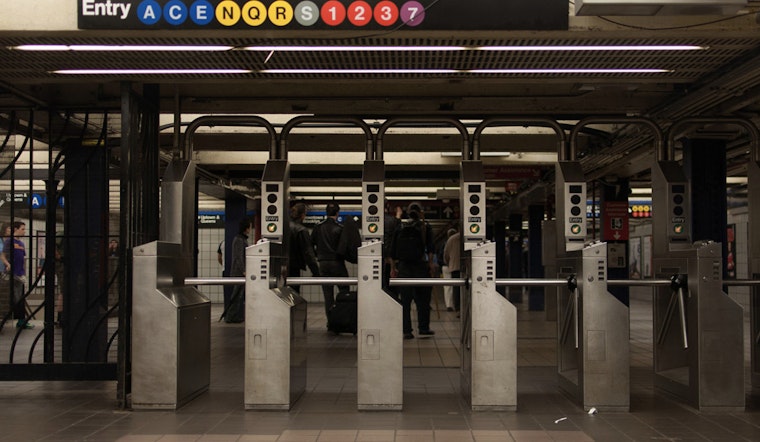
New Yorkers, brace yourselves for increased travel costs starting this Sunday as subway and bus fares take a leap to $3. The increase, formally set at 10 cents from the 2023 fare, is seen as part of the Metropolitan Transportation Authority's (MTA) plan to balance its budget amidst rising operation costs and inflationary pressures, as disclosed by PIX11.
According to the MTA's standard practice, a 4% fare hike proposal is voted upon biyearly to counter the ever-growing costs of maintaining an extensive transit system. But this year's increment comes with a notable shift in fare structure as the MTA transitions fully into the OMNY contactless payment system. As reported by Gothamist, commuters are now to only be charged for their first 12 rides each week, hitting a maximum of $35, after which they can ride fare-free for the balance of the seven-day period.
Moving away from the outdated MetroCards, riders will now need to acquire an OMNY card for $2—though this fee is set to further increase in the latter half of 2026. The MTA's pricing adjustments also extend to express buses, with express bus fares stepping up to $7.25 and reduced express bus fares now costing $3.60 per ride, as confirmed by Gothamist.
The fare changes also affect regional commuters with updates to Long Island Rail Road and Metro-North ticketing policies. Passengers will be required to swiftly activate their tickets on their smartphones before boarding to avoid a new $8 surcharge, a change designed to streamline the process and avoid last-minute ticket validation. This surcharge is just one aspect of the MTA's overall toll and fare strategy, which likewise sees toll rates on its nine bridges and tunnels increasing by an average of 7.5%, detailed by Gothamist.





