

























































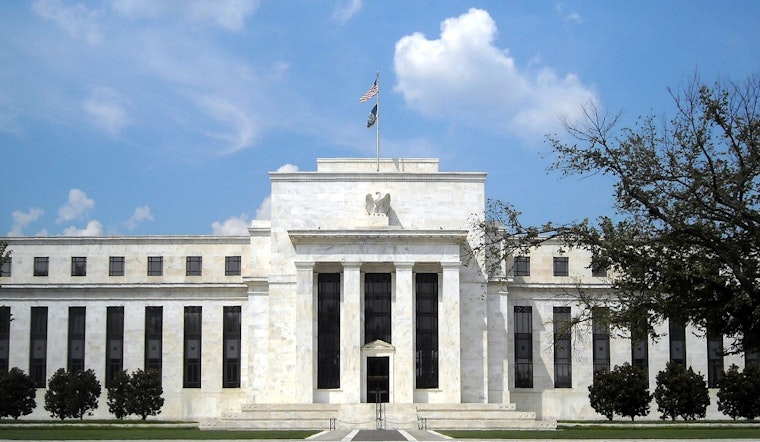
Financial institutions that service our communities are subject to periodic assessment under the Community Reinvestment Act (CRA), and 2026 is no exception. The latest asset-size thresholds for 'small bank' and 'intermediate small bank' classifications have been announced by the Federal Reserve Board and the Federal Deposit Insurance Corporation, providing a framework for evaluating how well these banks are serving the credit needs of their communities.
Adjustments to the asset-size thresholds are an annual affair, factoring in changes to the Consumer Price Index for Urban Wage Earners and Clerical Workers (CPI-W). This year saw a 2.51 percent uptick in the CPI-W for the period ending in November 2025, which has nudged the thresholds accordingly. Detailed in a press release from the Federal Reserve, a small bank will now be defined as having assets of less than $1.649 billion as of the end of the past two calendar years. Meanwhile, an intermediate small bank sits in the range of at least $412 million and less than $1.649 billion in assets, as of the same timeframe. These updated figures will be in play from January 1, 2026, or upon publication in the Federal Register, whichever occurs last, lasting through December 31, 2026.
These thresholds are more than just numbers; they're indicators that can influence everything from a bank's lending practices to community services. Banks' performance under CRA examinations can have significant implications, so an understanding of where they fall within these categories is key for the institutions themselves and the communities they serve.
For anyone wishing to stay abreast or delve into the historical context of these figures, a resource is available. The Federal Reserve provides a list of both the current and historical asset-size thresholds, which can be a useful tool for banks and community advocates.



