

























































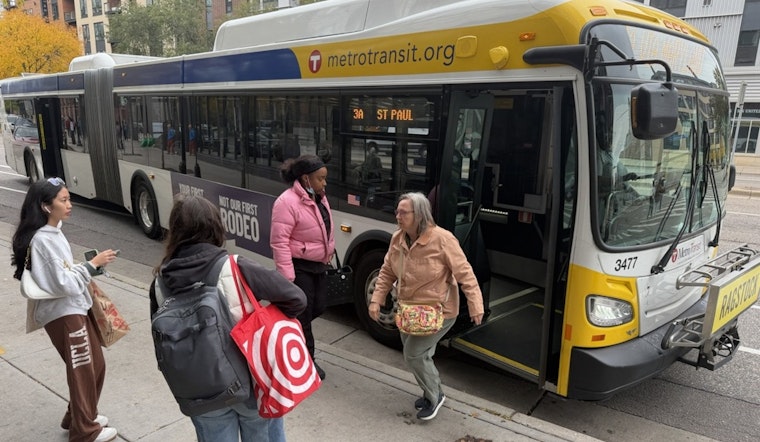
Metro Transit is floating a sweeping fare shakeup that would make every express bus ride a flat $3, bump on-demand Metro Micro trips to $4, and stretch the $1 youth fare to cover riders up to age 18. Tucked into the proposal is a longer-term promise, too: pay-as-you-go fare caps starting in 2027 that would limit what frequent riders pay in a day or a month. The plan was rolled out last Wednesday and now heads into the official public comment and hearing gauntlet before the Metropolitan Council decides what actually sticks.
What the proposal would do
According to materials shared with regional officials, all express routes would move to a single $3 fare - a break for rush-hour commuters but a bump for many off-peak riders - while reduced fares for qualifying riders would stay at $1, per the Metropolitan Council. The same presentation sets an all-day Metro Micro price of $4 and expands the $1 youth fare so riders ages 6 to 18 pay that lower rate. It also spells out a slow goodbye for current Go-To cards over the next two to three years as the system pivots to new smart cards and open payments.
Agency pitch: simpler fares, easier payment
Metro Transit officials have been selling the overhaul as a way to make fares easier to understand and easier to pay, no matter what riders pull out of their wallets, a point highlighted by Tom Randall in coverage for the Star Tribune. Staff also noted that express bus trips account for only about 4% of all bus rides, which they argue limits how disruptive a flat express fare might be for the broader system. Even as validators get upgraded to handle contactless bank cards and mobile wallets, officials say old-fashioned cash is not going anywhere.
Fare caps and a tech overhaul
The presentation lays out fare caps that would let riders stop paying once they hit a set daily or monthly limit: $4 per day and $64 per month for local service, and $6 per day and $96 per month for express trips, the documents say. Those caps are tied to a system modernization project planned for 2027 that would bring tap-to-pay for credit and debit cards, Apple Pay, Google Pay, and similar wallets, along with account-based smart cards that show balances in real time. Metro staff frame the shift as a way to scrap the up-front cost of passes and cut down on arguments between drivers and riders over what is owed.
Public process and timeline
Before any of this hits the streets, Metro Transit has to open a 60-day public comment period and hold three hearings, most likely in April, according to the Star Tribune. The Metropolitan Council timeline shows review steps stretching through spring and summer, with final votes and a Title VI equity review penciled in for later in the year if the council opts to advance the package. Public feedback during that window could influence which pieces move forward and how quickly.
Who gains and who pays more
Regular peak-hour express commuters would get a modest break of about 25 cents per trip, while occasional riders who stick to off-peak express times would see higher costs as those fares are pulled up to the $3 flat rate. Metro Micro users face a clearer bump with the new $4 all-day price, which Metro says lines up with the different operating costs of on-demand service. Expect advocates, business groups and neighborhood organizations to pick apart the tradeoffs between cleaner pricing, expanded youth discounts and the hit to riders who travel less often.
What to watch next
Key milestones to watch are the formal public comment window and the upcoming committee and full council meetings where staff will request hearings and later seek approval. Riders looking for specific hearing dates and instructions on how to weigh in will need to keep an eye on the Met Council meeting calendar and Metro Transit news updates. If the plan is adopted, the fare changes would plug into a broader push to overhaul payments and make transit pricing more user-friendly across the Twin Cities.



.jpg)