

























































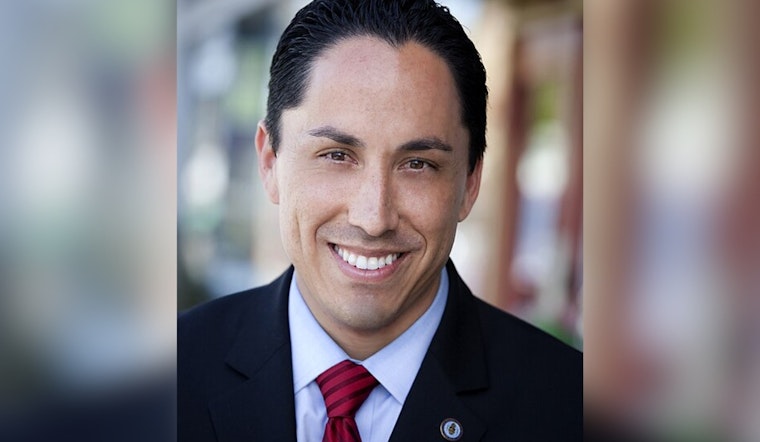
San Diego Mayor Todd Gloria is not backing off the Midway Rising redevelopment, even after a major legal setback put the neighborhood’s 30-foot height limit back in force. In his State of the City address, followed by comments to local media, Gloria said the city is hunting for workarounds while negotiators get extra time to hammer out the details.
Court Ruling Puts 30-Foot Cap Back On Midway
The California Supreme Court recently declined to take up a 4th District Court of Appeal decision that wiped out the city’s attempt to lift the Midway District’s coastal height cap, leaving the 30-foot limit in place, as reported by Voice of San Diego. The appeals court ruled that the city had not sufficiently studied the environmental impacts of taller buildings, including effects on air circulation and construction-related emissions, in a key CEQA decision, according to court summaries on Justia.
Mayor Vows To Keep Project Moving
Gloria said city staff have “identified multiple paths” to keep the Sports Arena site overhaul alive and that he plans to push forward despite the court headwinds, according to local coverage. City officials also extended their exclusive negotiating agreement with the Midway Rising development team to Dec. 4, giving both sides more time to review project terms and bargain over the details, 10News reported.
What Midway Rising Would Deliver
The Midway Rising proposal would transform about 49 acres around Pechanga Arena into a mixed-use district with roughly 4,254 homes, including about 2,000 income-restricted units, along with a 16,000-seat entertainment venue. The plan also calls for nearly 15 acres of parks and about 130,000 square feet of retail and restaurant space, according to the city’s project materials. The development group features Zephyr, Chelsea Investment Corporation, Legends and majority backing from the Kroenke Group, as noted by the city and Axios.
Opposition And CEQA Challenges
Opponents led by the group Save Our Access argued that the city’s environmental review left out key analysis of how taller buildings could affect air quality, public views and traffic. Those claims ultimately persuaded judges to throw out the voter-approved measures that would have lifted the height cap, according to court filings and reporting from KPBS. The ruling now forces the city to either redo parts of its environmental studies or look to other planning tools to keep the project alive.
What Comes Next
City officials say they are weighing a menu of options, including updated CEQA review work and use of state density bonus provisions, as they try to chart a legally sound path forward. Those next steps, along with future hearings before the planning commission and City Council, were outlined in Gloria’s address, according to Times of San Diego. If the legal issues get sorted out, the development team has said construction could roll out in phases starting in late 2026, per coverage from Axios.
The fight over Midway Rising has become a high-profile test of how San Diego balances its need for housing with long-standing coastal protections. Expect more court filings, packed council meetings and fresh environmental documents in the months ahead, all of which will determine whether the project is significantly reshaped or moves ahead largely as proposed, Voice of San Diego notes.





