

























































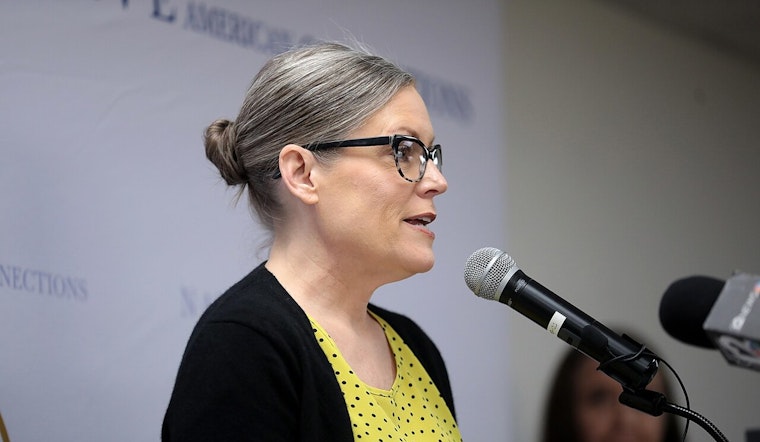
Gov. Katie Hobbs has marked her judicial appointments by naming two new people to the Maricopa County Superior Court, a move that introduces experienced professionals, Jessica S. Sanchez and B. Don Taylor III, to the judicial body, as detailed in a recent announcement on the state's official website. Jessica Sanchez, with a rich background practicing law in the educational sector since 2007, comes to the court after a term as the president of the State Bar of Arizona and involvement with numerous legal and community-based organizations, her career bearing witness to her dedication and service.
Alongside Sanchez, Don Taylor, the presiding judge of the Phoenix Municipal Court since 2015, brings international legal expertise to the table, having previously worked for the United Nations International Criminal Tribunal for the Former Yugoslavia and extensively in the Phoenix City Prosecutor's Office. According to the governor's office, their appointments are meant to fill the recently vacated spots following the retirement of Judges John R. Hannah and Timothy J. Ryan, setting a new course for the Superior Court and its forthcoming endeavors.
"Each of these appointees brings a wealth of experience and a unique perspective to the court, They have shown tremendous leadership and commitment to the community, and I am confident that they will serve the people of Arizona well in their new roles," Gov. Hobbs said, casting a vote of confidence in the abilities and potential of Sanchez and Taylor to uphold justice while fostering community values. This decision reflects Hobbs' commitment to reinforcing the judiciary with individuals possessing diverse experiences and contributions that resonate with the broader ethos of service and integrity.
Sanchez, known for her work on educational law, has carved a niche for herself by counseling school districts and charter schools on critical issues ranging from employment law to constitutional law, bringing to the forefront the perspective of a professional who has walked the many corridors of the legal and public education systems. Her role as co-chair of the Latina Mentoring Project and serving on the Arizona Judicial Council places her in a unique position to draw from her rich career in the service of amplifying justice and mentoring others. Taylor's experience, straddling various focal points from the international sphere with his Fulbright Fellowship to the educational field as a law professor, suggests a breadth of perspectives soon to influence the Superior Court's jurisprudence.




.jpg)