

























































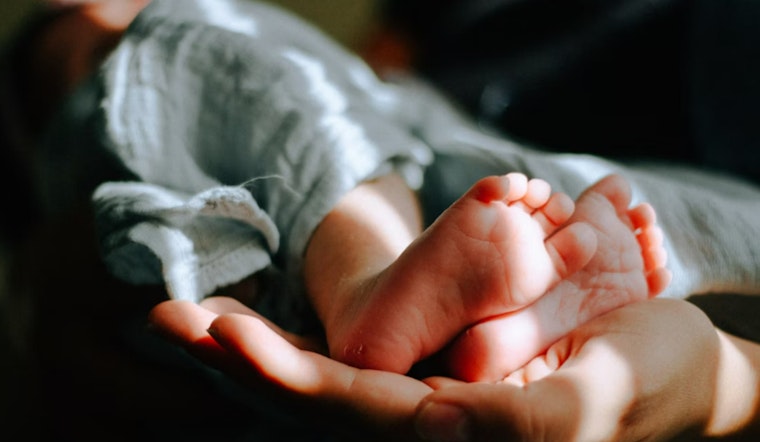
Hawaii is welcoming a lot fewer newborns than it used to, and it is not just a blip. Health officials and local families say a mix of older moms, tougher pregnancies and sky-high living costs are reshaping when and whether people decide to have children. The shift is already rippling through hospitals and the statewide network that cares for preterm and medically complex babies.
State records show a steep decline
State data tell the story in stark numbers. The tally of live births fell from 18,444 in 2015 to 14,964 in 2024, a drop of nearly 20 percent, according to the Hawaii Department of Health. The department’s archived 2015 vital statistics report lists the earlier total and breaks it down by county and month, making the decade-long slide easy to see on paper, even if it feels more complicated in real life.
Kapiolani handles most high‑risk deliveries
One hospital feels those numbers more than most. Honolulu’s Kapiolani Medical Center for Women & Children is the state’s primary maternity, newborn and pediatric specialty hospital, and it houses the neonatal intensive care capacity that smaller hospitals send patients to, according to Hawaii Pacific Health. With so much specialty care concentrated there, swings in the birth count influence staffing decisions, how many beds are in use and how the islands map out perinatal services for the years ahead.
Doctors and parents point to age, health and costs
Clinicians speaking to local media say they are seeing an older maternal profile in Hawaii, along with more pregnancies affected by diabetes and high blood pressure. Those trends raise the stakes for both delivery and newborn care, obstetrician Dr. Kelly Yamasato told KITV. She also advised that women planning pregnancy “talk with their health care provider to plan for health,” the station reported.
On top of the medical concerns, some Honolulu residents told KITV they are putting off or reconsidering having children because of steep rent, rising food prices and broader affordability worries. In other words, the household budget is having a say in the birth plan.
How Hawaii fits the national picture
Nationally, provisional federal figures show 3,622,673 births in 2024 and a U.S. preterm birth rate of roughly 10.4 percent, reflecting broader shifts in fertility and maternal age across the country, according to the Centers for Disease Control and Prevention. Hawaii’s decade-long decline is steeper than what many places are seeing, and experts point to the state’s particular economic pressures and its aging population as major drivers.
State health officials and hospital leaders say they will keep tracking birth totals and outcomes as they plan staffing levels and perinatal services. For now, doctors are pushing for earlier prenatal care and more preconception planning, while policymakers wrestle with long-term fixes on housing and overall affordability that help determine whether families feel ready to add another crib to the household.




