

























































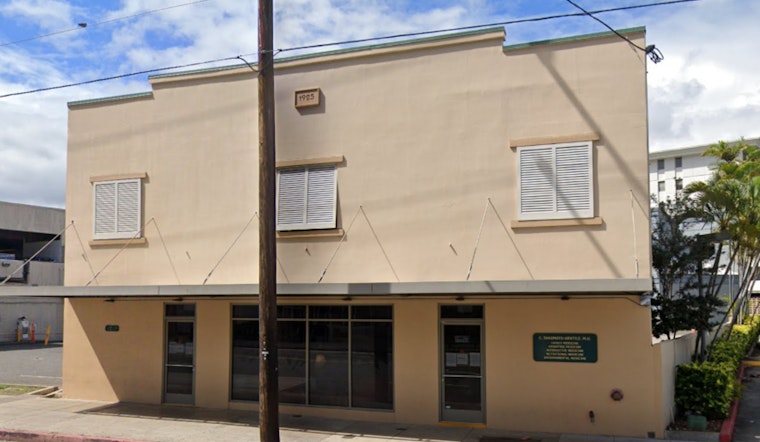
Two Honolulu physicians have quietly cut loose from traditional health insurance, switching their family medicine clinic to a membership model that charges patients $200 a month instead of waiting for claims to crawl through the system. Drs. Curtis and Krishanna Takemoto‑Gentile say the shift, which took effect Jan. 1, lets them book longer visits and drastically trim each day's patient load so they can focus more on prevention and follow-up. Their move is the latest sign of strain on primary care in Hawaii as insurers, hospitals and lawmakers look for ways to rein in costs.
As reported by KITV, the couple stopped taking health insurance altogether and now run a direct‑primary‑care practice that charges a flat monthly fee for unlimited office access. Dr. Krishanna told KITV she cut her daily appointments from about 25 to roughly 10, while Dr. Curtis said he now schedules patients every 30 minutes and that his old insurance‑based panel once numbered about 3,000. The KITV story was produced in partnership with the Economic Hardship Reporting Project.
What Direct Primary Care Looks Like
The Takemoto‑Gentiles are calling their revamped clinic a direct primary care (DPC) practice, where routine services fall under a membership and insurance is used mainly for specialty care or hospital stays. doctorctg.com lists the membership at $200 per month for adults, with discounted rates for teens and students, and promises longer visits, telehealth options and discounted prices on some treatments. Prospective and current members sign up through the practice's online portal.
Why They Left The Insurance Model
The doctors told KITV that rising costs, constant paperwork, shrinking reimbursements and pressure to squeeze in more patients pushed them out of the insurance system. It helps ease physician burnout and encourages doctors to stay in the workforce longer, Dr. Curtis said in an interview, noting that seeing fewer patients and having longer appointment slots makes the work more sustainable. He also said the new model restores an "old‑school" relationship with patients, where doctors can respond directly by phone or text instead of routing everything through staff.
How This Fits Into Hawaii's Health Care Shake-Up
The timing of their switch comes as HMSA and Hawaiʻi Pacific Health have outlined a deeper partnership to coordinate insurance and hospital services, a plan that has raised questions from lawmakers and other providers, according to Hawaii News Now. At the same time, state health planners warn that Hawaii is short hundreds of physicians, a shortage that can magnify access problems when providers shrink their patient panels, Spectrum reports. Taken together, those pressures help explain why some doctors in Honolulu are experimenting with new ways to pay for primary care.
Patients interested in the membership or with questions are being directed to the Takemoto‑Gentiles' practice website, which lists office hours, FAQs and a sign‑up form. Supporters of DPC argue the model cuts administrative overhead and improves continuity of care, while critics warn that membership fees can put the setup out of reach for lower‑income patients who rely on employer plans or Medicaid. For now, the Takemoto‑Gentiles say most members can still use their insurance for referrals and prescriptions while keeping the monthly membership for primary care access.




