

























































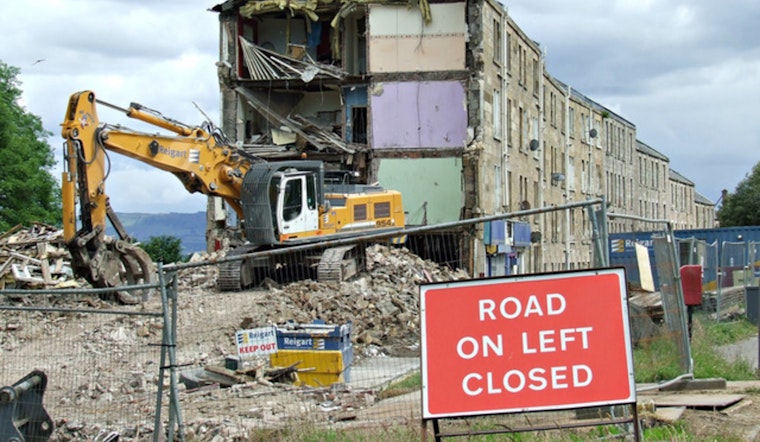
In a decision that has stirred a mix of reactions, the Houston City Council has voted to reallocate $30 million from the Stormwater Fund to the demolition of derelict buildings, despite concerns from both residents and some council members. According to Click2Houston, the move is designed to ostensibly reduce illegal dumping and alleviate flooding by clearing space for better drainage, with Mayor John Whitmire claiming that the action will serve as a solution to these ongoing issues.
However, many residents are skeptical, and some have voiced their frustrations openly. Dana Jones, a homeowner from the affected North Houston neighborhood, told Click2Houston that this decision fails to directly deal with the crux of flooding problems in her community—insufficient drainage. The divisive vote—9 to 7 in favor—has some, like City Controller Chris Hollins, worried about breaking the public's trust and the misappropriation of funds initially intended solely for stormwater management.
Hollins, along with several council members like Edward Pollard, feels the connection between building demolitions and flood mitigation is tenuous at best. Pollard was quoted by KHOU 11 saying, "It is very, very far-fetched to draw a conclusion that a property needs to be torn down has to do with the maintenance system." Despite these concerns, the city attorney's office supports the Council's decision's legality, as the funds can be used to address community needs tied to stormwater management.
Councilmember Amy Peck was among those who voted in favor, suggesting the removal of these structures could also help to indirectly prevent illegal dumping that hampers the efficiency of the city's drainage systems. As reported by KHOU 11, Peck argued, "A lot of the debris and illegal dumping is going into the systems, causing a lot of concern. So we either spend the money maintaining those systems right around these dangerous buildings constantly or we spend the money on the root cause." Meanwhile, Councilmember Abbie Kamin, a dissenting voice, cited previous legal precedents and expressed long-term concerns regarding the repurposing of flood mitigation funds.
The repercussions of this controversial decision have yet to unfold fully. Still, it has certainly highlighted the tension between immediate action against perceived blights and the more complicated, drawn-out battle against infrastructure deficiencies that pose a persistent menace to residents caught in the crosshairs of Houston's urban planning contests.





